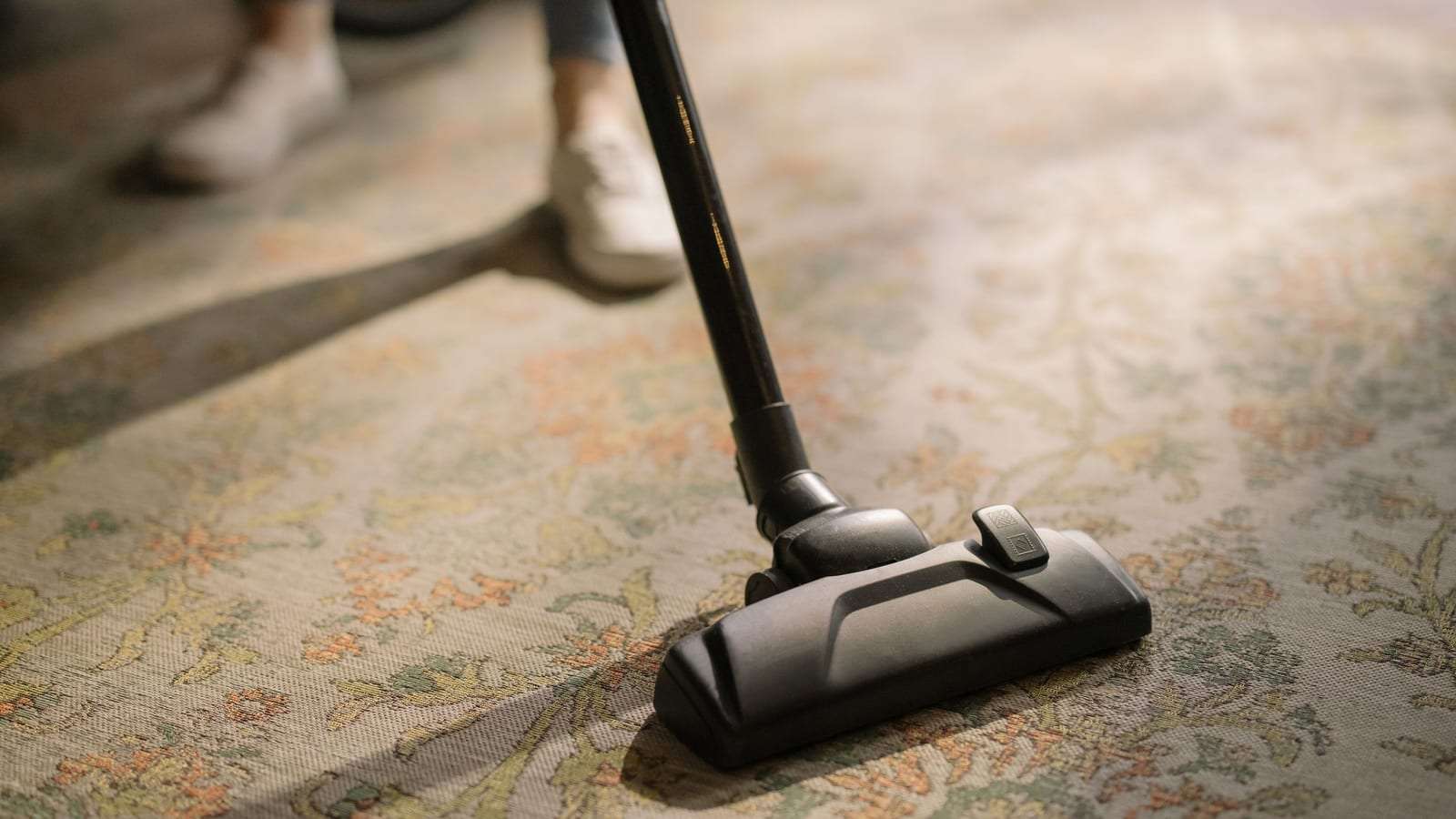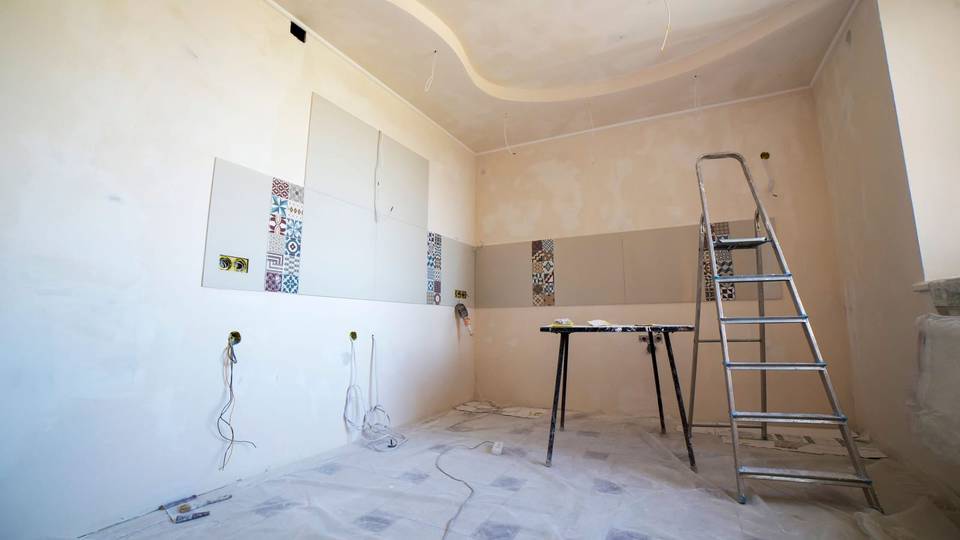
1. How it differs from deep cleaning
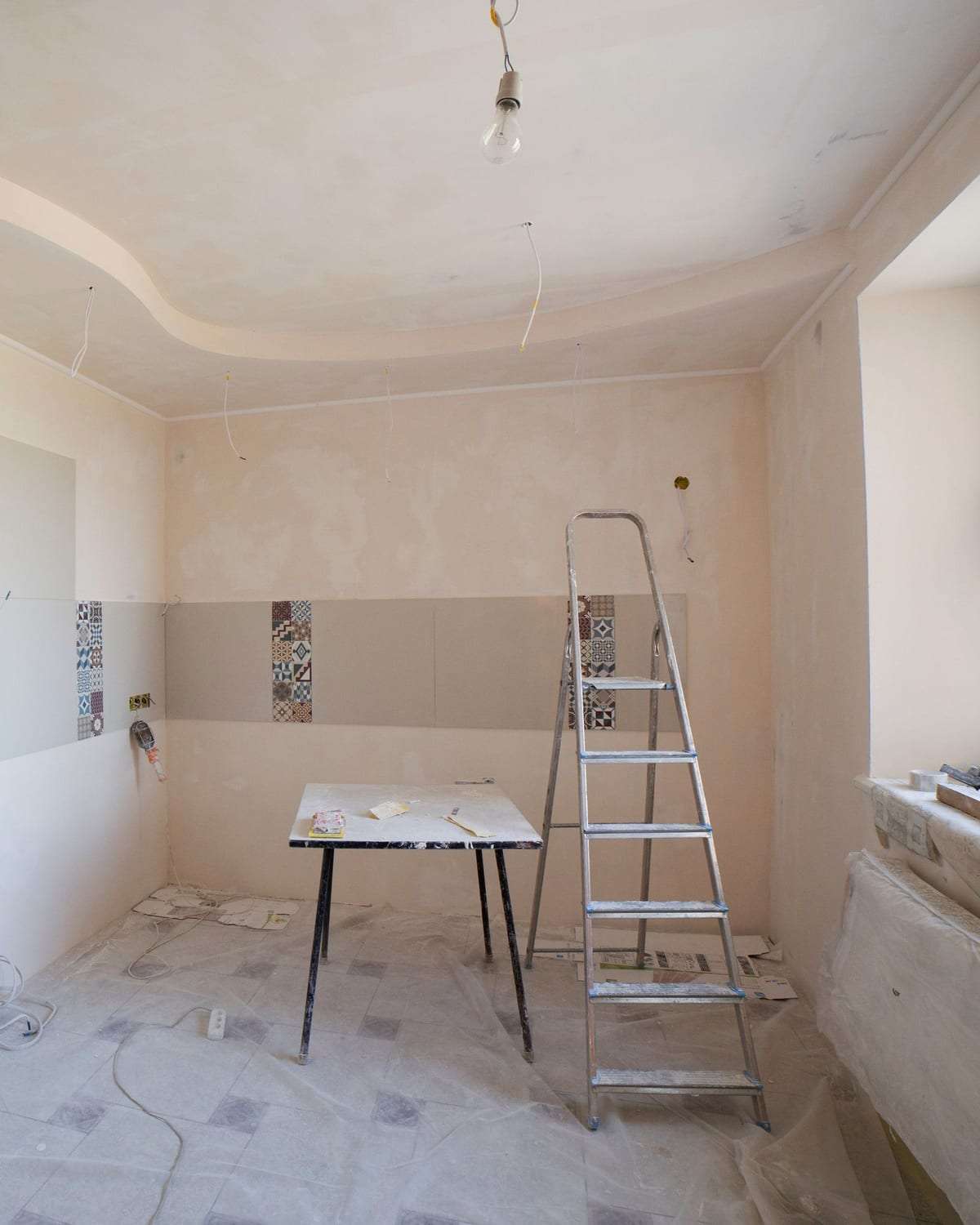
Deep cleaning deals with everyday dirt: grease, dust and limescale. Post-construction cleaning deals with the building materials themselves: cement, plaster and paint spots on tiles and glass, extremely fine dust that gets into every opening, stickers and tape, and silicone residue.
This residue needs different tools and more patience, because removing it the wrong way can scratch marble, glass or freshly painted surfaces. That’s why ordinary cleaning isn’t enough for a home the builder has only just left.
2. When to book
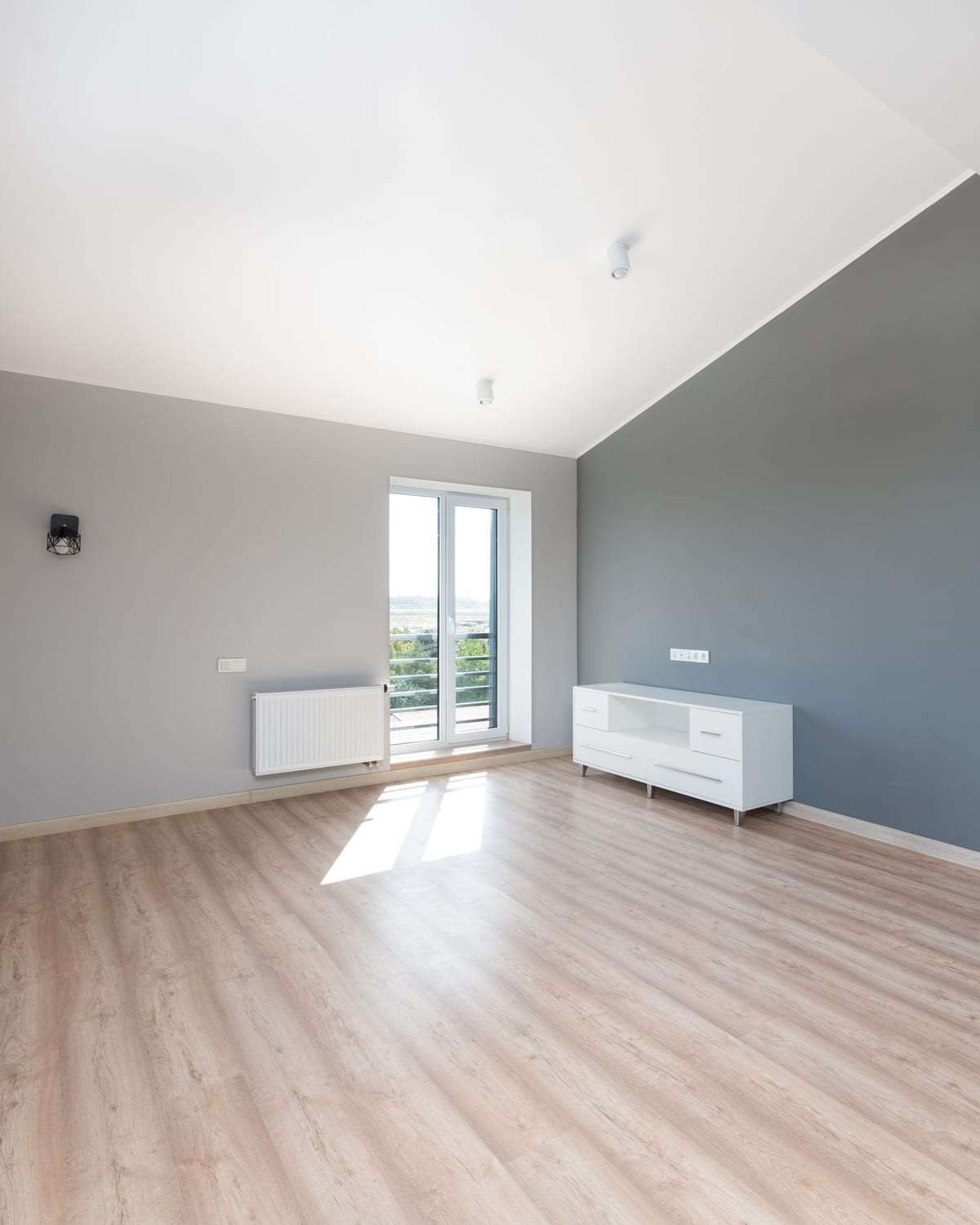
The best time is after the builder has finished everything — painting, lighting, doors and the kitchen — and before the furniture goes in. If you clean before the work is done, dust returns with any extra work and you’ll need to clean again.
Confirm with the builder that the work really is finished, and visit to check before the appointment. If small jobs remain, either delay cleaning until afterwards or agree a light first clean followed by a final clean.
3. The usual stages of the work
- Removing debris
Making sure large building debris is gone — usually the builder’s responsibility. Agree it with them before cleaning.
- Dusting top to bottom
Ceilings, ceiling corners and lights first, then walls and frames, then floors, so dust doesn’t fall on cleaned areas.
- Removing residue
Cement, plaster and paint spots, stickers and silicone residue, with tools suited to each surface.
- Kitchen and bathrooms
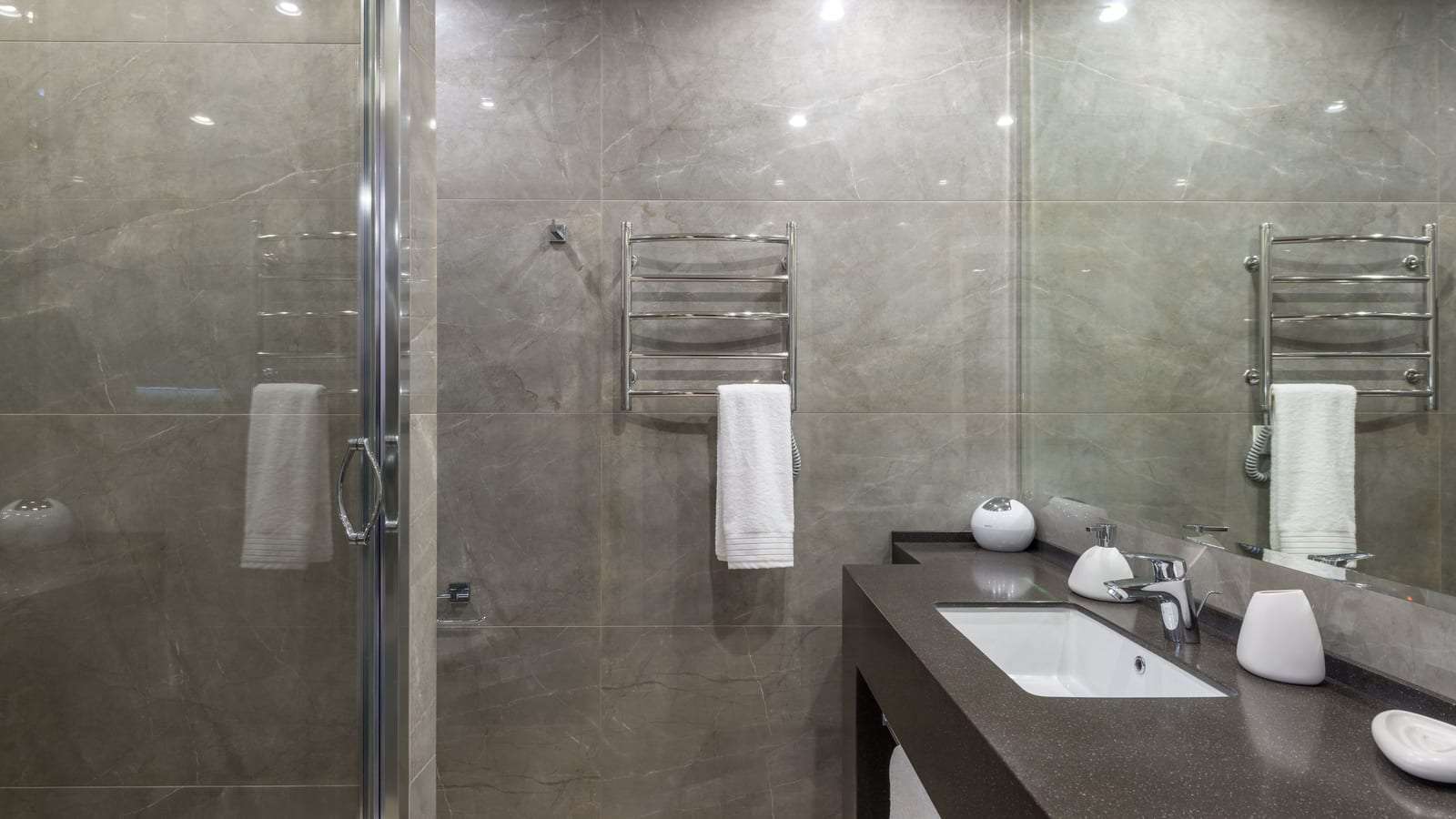
Inside and outside cupboards, sanitary fittings, tiles and grout.
- Glass and windows
Glass, frames and window tracks, which collect debris and dust.
- Floors
Floors are often washed more than once, since fine dust shows once they dry.
A large home may need more than a day, or a light second visit a few days later to remove dust that settles after the first clean.
4. Fine dust: why it comes back
Construction dust is finer than ordinary dust, stays in the air for hours and gets into AC vents, window tracks and cupboards. So you may notice a light layer a day or two after cleaning, especially on dark surfaces.
This is normal, and a light wipe a few days later can be agreed with the company. Ventilating the home well and wiping visible AC covers helps too. Cleaning AC ducts inside is a separate service from AC technicians.
5. Delicate surfaces
- Marble and granite: scratch easily and react to some acidic cleaners.
- Wooden and parquet floors: can’t take much water.
- Glass: scratches if residue is removed with the wrong tools.
- Freshly painted surfaces: need time before firm wiping.
- Metal fittings and taps: can dull with some cleaners.
Tell the company which surfaces your home has, ask how they’ll handle each, and ask them to test any method on a hidden spot first.
6. Safety during the work
Construction dust can irritate the airways, so the team should work with suitable masks and good ventilation. It’s best for children, older people and anyone with allergies to stay out until cleaning is finished and the home has been aired.
Never mix cleaning products, and don’t layer strong cleaners to shift a stubborn mark — some combinations can release harmful fumes. High floors and exterior glass facades need a trained team with safety equipment.
7. What to agree with the builder
Before booking cleaning, agree with the builder that large building debris will be removed from the home, yard and roof — cleaning companies don’t usually remove construction waste, which may need a skip. Ask them to remove large cement spills on floors too, as that’s part of their work.
If you notice finishing defects during cleaning, such as broken tiles or uneven paint, photograph them and tell the builder — cleaning sometimes reveals what was hidden under the dust.
8. What to agree with the cleaning company
- A written list of what the cleaning covers and what it doesn’t.
- Whether it includes removing stickers, silicone and paint residue.
- Whether it includes inside cupboards, window tracks, yards and roofs.
- The number of workers and duration, and whether it needs more than a day.
- Whether a light second visit for leftover dust is included.
- How the company handles any damage during the work.
9. Tanks after construction
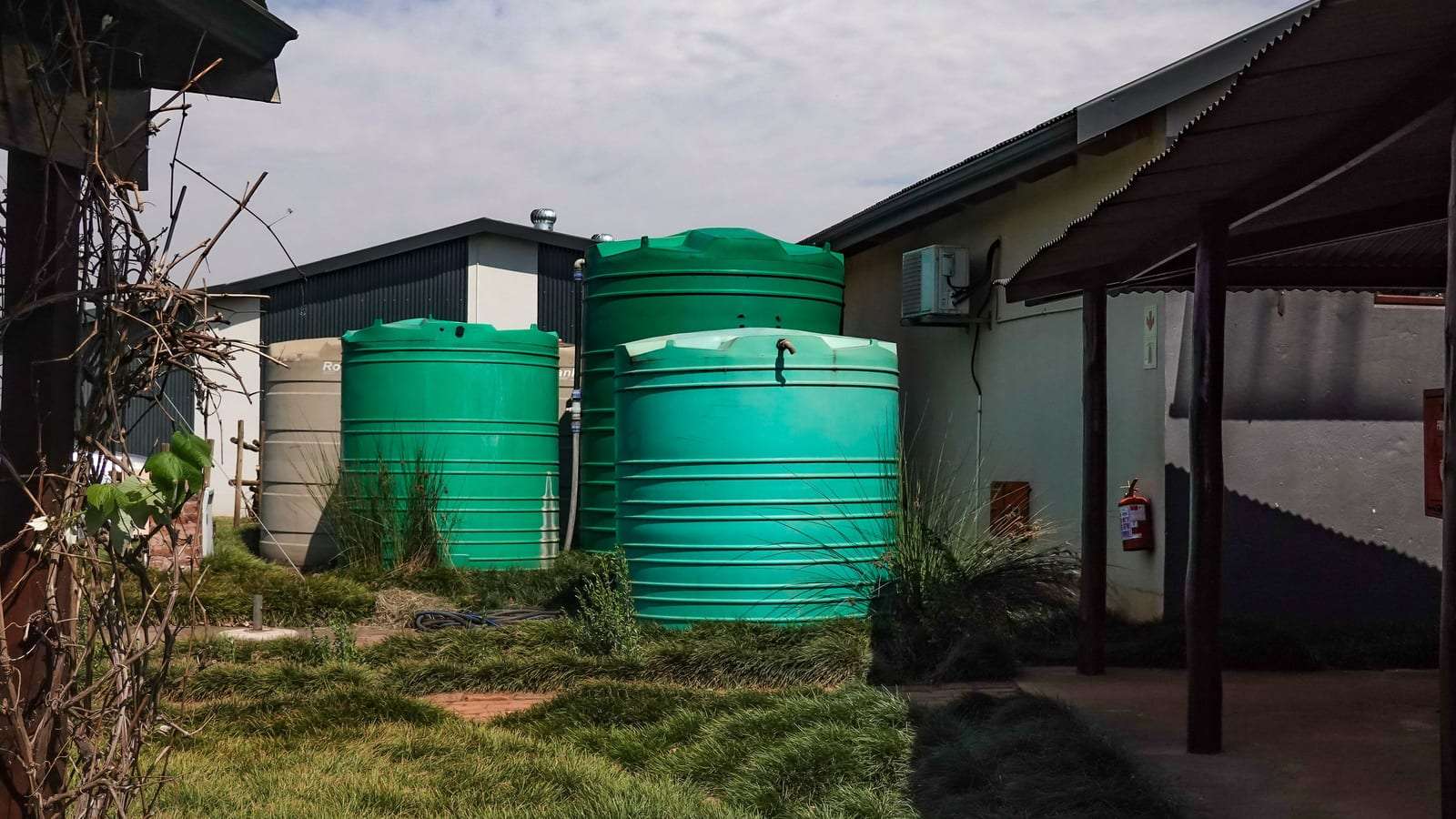
In new homes the ground and roof tanks may have been exposed to construction dust and perhaps material residue. So cleaning both before the family starts using the water helps, along with checking their lids seal properly.
You can add tank cleaning from the extras in the form. Read how often to clean a water tank.
10. What affects the cost?
Cost depends on the home’s area, number of rooms and bathrooms, how much residue and dust there is, the surfaces, the number of floors, yards, roofs and tanks, and whether more than one visit is needed. We don’t list prices on the site, so ask for more than one offer and compare what each includes.
11. Offices and shops after fit-out
New offices, shops and restaurants also need cleaning after fit-out before opening, and timing matters more because the opening date is usually fixed. Book early and give the opening date and approximate area in square metres in your request.
After opening you can agree a regular cleaning contract with the same company. Read about business cleaning contracts.
12. How to request offers
In the SaudiCleaning form, choose post-construction cleaning, then the property type and number of rooms or area, and select the condition “after construction”. Add tanks or glass from the extras, plus your city and date. See also post-construction cleaning.
FAQ
Is regular cleaning enough after construction?
Usually not — cement, paint residue and fine dust need different tools and experience.
Does the cleaning company remove building debris?
Usually not — that’s the builder’s responsibility. Agree it with them before the cleaning date.
Why does dust come back after cleaning?
Construction dust is fine and stays in the air and openings. A light wipe a few days later can be agreed.
Does a large home need more than a day?
It may, depending on area and residue. Ask the company for an estimate.
When should the furniture go in?
After cleaning is finished and the home has been aired, so dust doesn’t settle on new furniture.
This guide is general information and contains no recipes or quantities for mixing cleaning products. Never mix cleaning products, read each product’s label, and ventilate. If fumes are inhaled or a product gets in the eyes or is swallowed, seek medical help immediately.