1. Why cleaning is easier when the home is empty
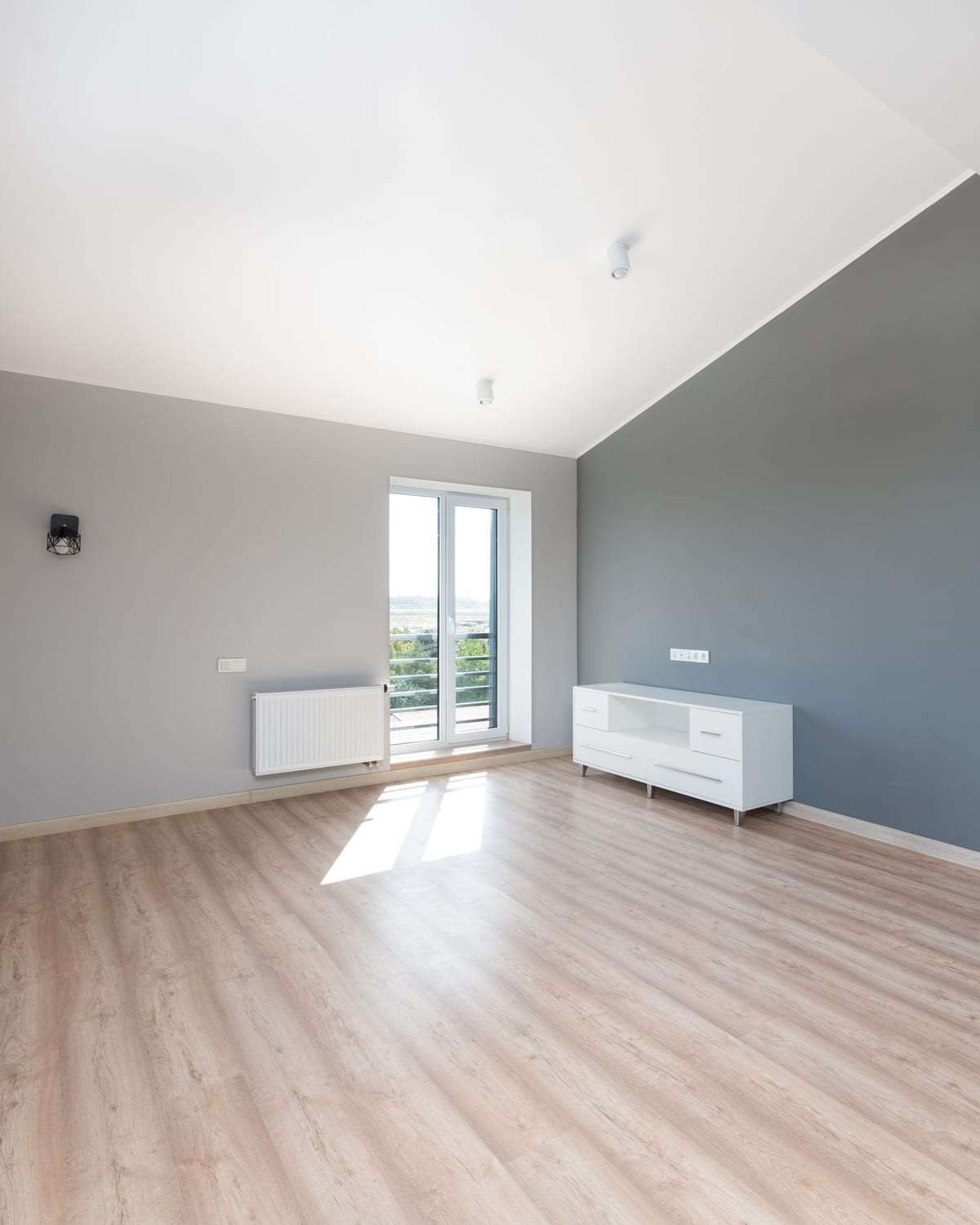
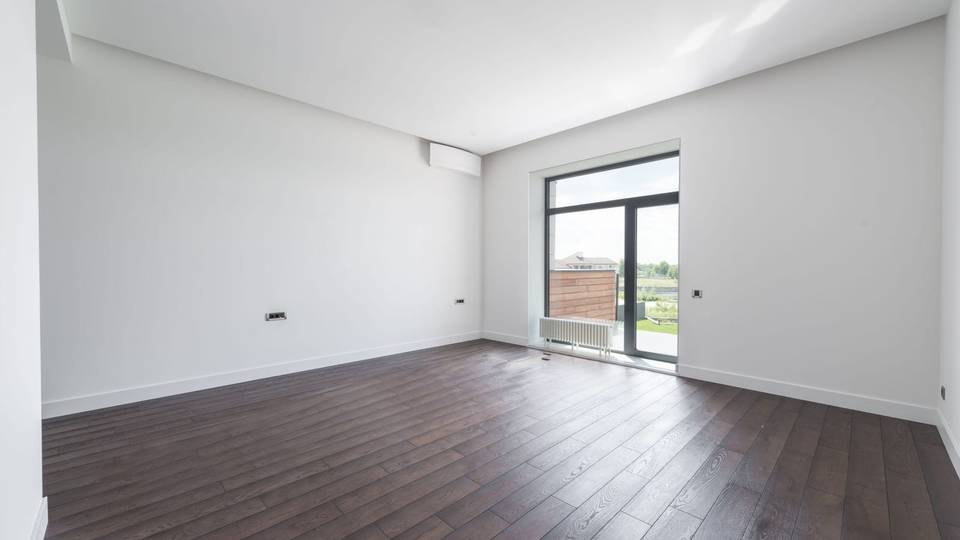
When the home is empty of furniture and belongings, the cleaning team can reach everywhere: corners, the spots behind where furniture stood, inside cupboards and under the kitchen units. The work is faster and more thorough because the team doesn’t need to move and protect things.
So it’s best to clean after your things leave the old flat and before they arrive at the new home. If time is tight, agree a day between the move and the handover with the company, and mention in your request that the property is empty.
2. Kitchen
- Inside upper and lower cupboards and drawers, once fully emptied.
- The cooker hood and filters, the wall behind the hob, tiles and grout.
- The hob surface, and inside the oven if it belongs to the flat.
- The sink, taps and limescale around them.
- Where the fridge and washing machine stood, and the floor beneath.
- The floor, corners and skirting boards.
3. Bathrooms
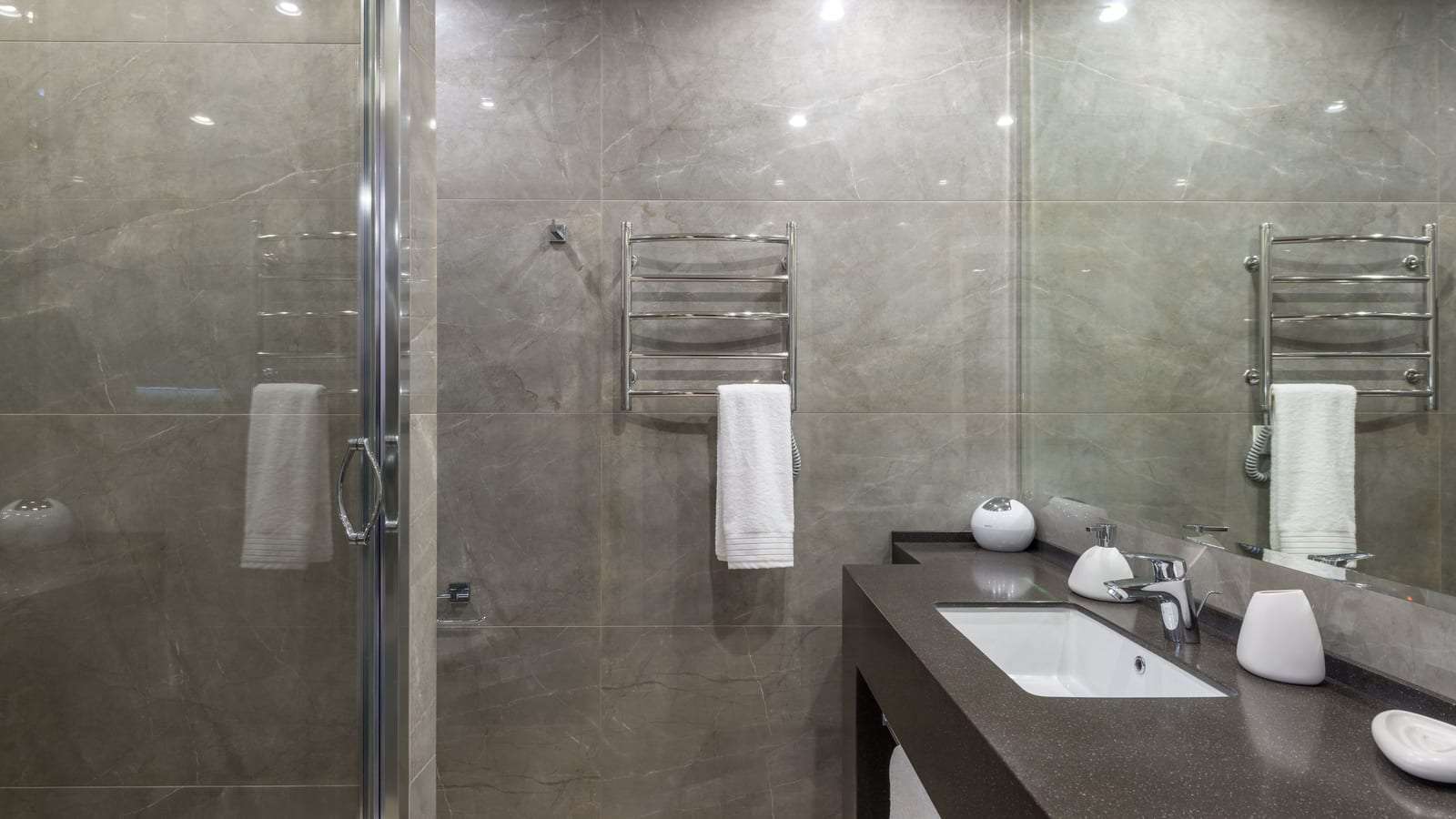
- Tiles, grout, limescale and soap scum.
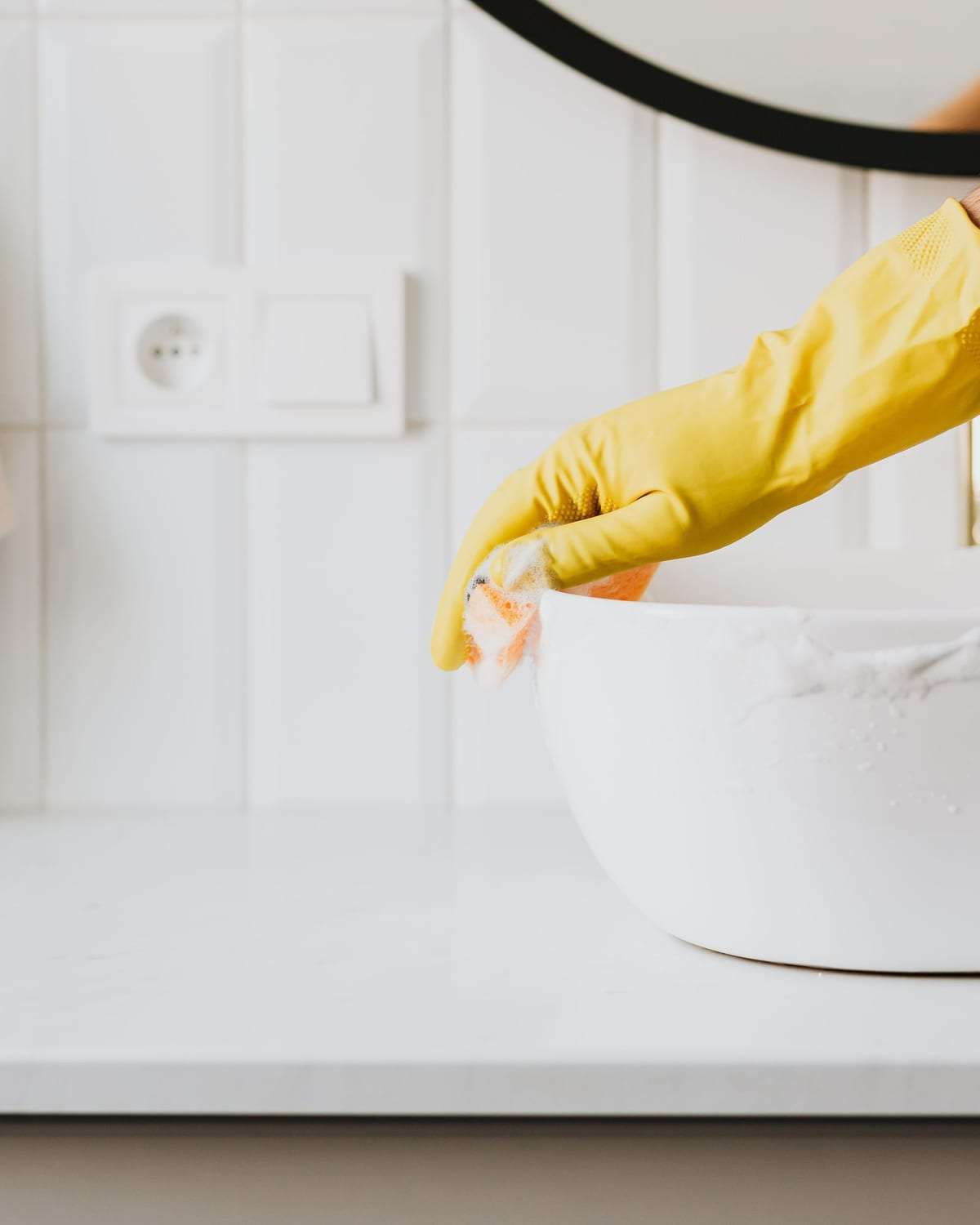
- Basins, mirrors, taps and fixed accessories.
- The toilet and around it, and the shower cabin or bath.
- Bathroom cabinets inside and out.
- Drain covers from the outside, and the extractor fan cover if visible.
If you find mould spots in a new home’s bathroom, tell the landlord before moving in — they may point to a leak or poor ventilation that needs fixing.
4. Rooms, walls and doors
- Dusting walls, ceilings and ceiling corners.
- Wiping doors, frames, handles and light switches.
- Inside built-in wardrobes and drawers.
- Floors and skirting, especially corners behind where furniture stood.
- Light fittings and fans that can be reached safely.
Holes in walls, nail marks and paint are maintenance, not cleaning. Agree them with the landlord before handover — some contracts require repainting.
5. Windows, sliding doors and balconies
Window and sliding-door tracks collect dust and sand until it hardens, needing small brushes and special tools. Cleaning covers glass on the inside, and on the outside where it can be reached safely from inside the flat or balcony.
Balconies and roofs need sweeping, washing and clearing soil from corners and drains. Exterior glass on high floors should never be reached without safety equipment and training.
6. The tank and AC covers
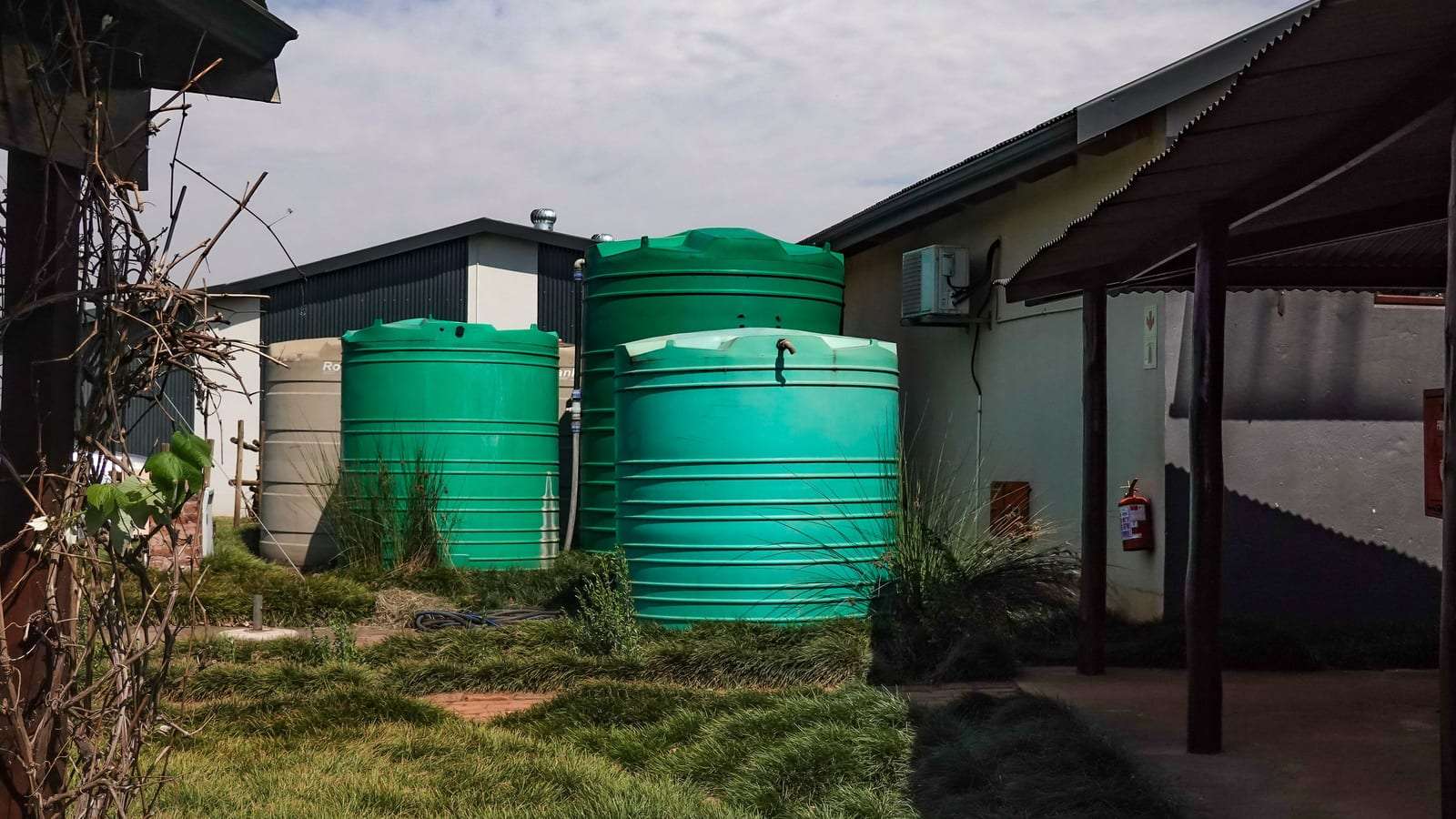
If you’re moving into a detached home with its own tank, cleaning the tank before moving in helps, since you don’t know when it was last cleaned. Read how often to clean a water tank.
Cleaning usually includes wiping visible AC covers and vents. Washing AC units inside and servicing them is a separate service provided by AC technicians.
7. Photo records
Before handing the flat back, photograph each room after cleaning, including corners, the kitchen, bathrooms and floors. Before moving into the new home, photograph it as you received it, including any visible defects, stains or damage.
These photos protect you in a dispute over the deposit or the property’s condition and help show the flat was handed back clean. Keep them with your tenancy contract and any handover record.
8. What to agree with the company
- A written list of what the cleaning covers and what it doesn’t.
- Whether it includes inside cupboards, the oven, window tracks and balconies.
- The number of workers and approximate duration.
- Whether the company brings materials and tools.
- What happens if you notice something missed after the team leaves.
- How the key will be handed over if you’re not there.
9. Safety notes
An empty home can build up dust and smells, so open windows before and after cleaning. Never mix cleaning products, especially in closed bathrooms and kitchens, as some combinations can release harmful fumes.
If the new home has recently had maintenance or painting, it may need post-construction cleaning rather than regular cleaning. Read cleaning after construction and finishing.
10. Timing in moving season
Move-out cleaning peaks at month-end, before the school year starts and in the holidays, when many families move at once. Book a few days ahead if you can, and give your handover date or move-in date in the request.
If you have a fixed handover date that can’t move, choose the right urgency in the form so companies know timing matters.
11. What landlords usually check at handover
Landlords vary in how closely they inspect, but most look first at the kitchen and bathrooms, because they quickly show whether a flat has been cleaned properly. Grease on the cooker hood and the wall behind the hob, limescale around taps and stains on bathroom tiles are the first things they notice.
Some also check inside cupboards, floor corners, window tracks and the condition of walls. So it helps to walk through the flat after cleaning as if you were the landlord and check these spots yourself before handover day, so you can deal with anything early rather than being surprised on the day.
12. Villas and larger homes
If you’re moving from or into a villa, the job is much bigger than a flat: more rooms, annexes, majlis rooms, yards, roofs and perhaps both a ground and a roof tank. Mention all of it in your request so the company sends the right team and sets a realistic time.
For large villas it can help to split the work over two days, or agree a larger team to finish in one. See also villa cleaning and what it usually covers.
13. How to request offers
In the SaudiCleaning form, choose move-in/move-out cleaning, then the property type and number of rooms, and select the condition “empty”. Add the tank, windows or balcony from the extras if needed, plus your city and date. See also move-in and move-out cleaning.
FAQ
Does the flat need to be empty?
It’s best, as the team can reach everywhere and the work is faster and more thorough.
Does cleaning include wall repairs and painting?
No — that’s separate maintenance. Agree it with the landlord before handover.
Can the cleaning happen without me?
Yes, if you agree a clear key handover with the company.
When should I book in moving season?
A few days ahead if you can, especially at month-end and before the school year.
Will cleaning get my deposit back for sure?
No one can guarantee that — it depends on your contract and the property’s condition. But cleaning and photo records help.
This guide is general information and contains no recipes or quantities for mixing cleaning products. Never mix cleaning products, read each product’s label, and ventilate. If fumes are inhaled or a product gets in the eyes or is swallowed, seek medical help immediately.