A clean workplace every day
Office cleaning and cleaning contracts for businesses
A clean office isn’t a luxury. Staff spend long hours there, customers form their first impression from the entrance, meeting room and washrooms, and restaurants and clinics need cleanliness with no compromise. That’s why most businesses rely on a cleaning contract with a specialist company rather than temporary fixes.
A cleaning contract sets out what is cleaned, how often, who comes, who supplies the products and how quality is checked. With SaudiCleaning you give your business type, size and the frequency you need, and your request reaches cleaning companies in your city that offer business contracts and contact you with offers.
What a cleaning contract usually includes
Offices and halls
Dusting desks and surfaces, emptying bins, and cleaning meeting rooms and reception.
Washrooms
Cleaning and sanitising washrooms and restocking supplies regularly through the day if a cleaner is on site.
Kitchens and break rooms
Cleaning the kitchen, appliances and surfaces, and washing up if agreed.
Floors
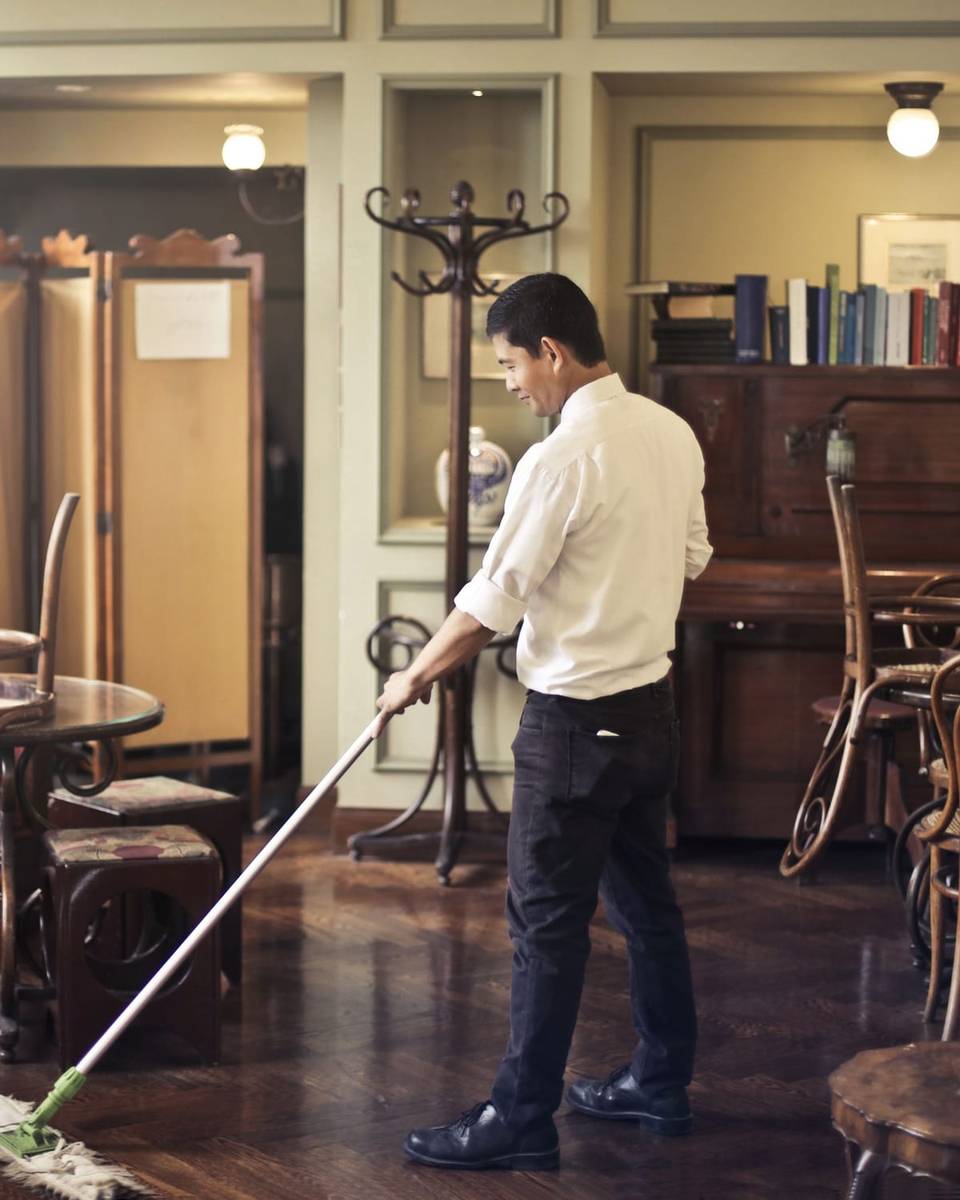
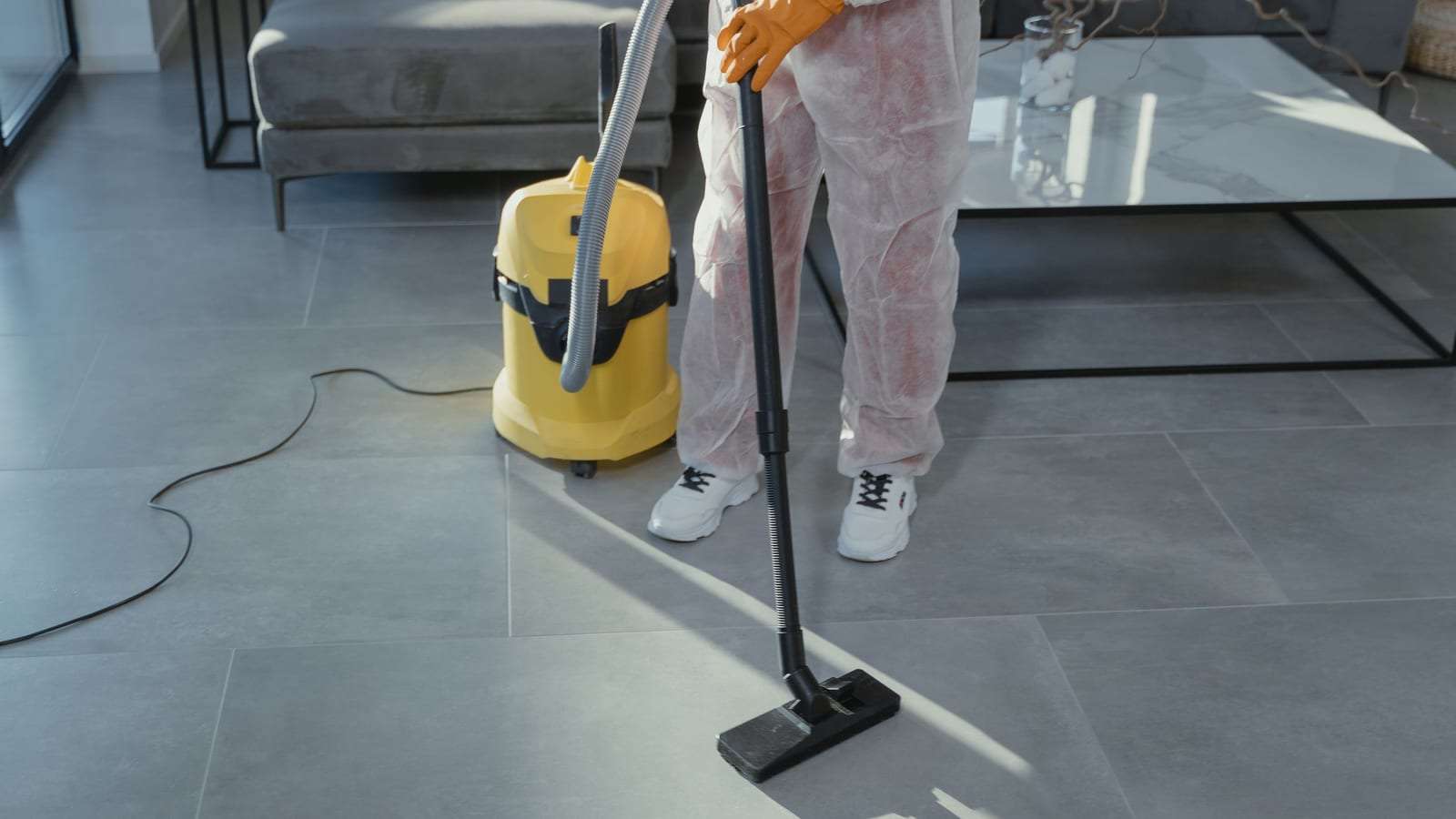
Daily sweeping and mopping, vacuuming carpets, and periodic floor scrubbing as the contract specifies.
Inside glass and entrances
Glass doors, inside glazing, entrances and lifts.
Periodic deep cleaning
A deeper monthly or quarterly clean of hard-to-reach areas, as the contract sets out.
What’s agreed separately
Some jobs aren’t part of the daily contract and are requested separately or added as clauses: exterior glass facades, especially high ones; carpet and upholstered chair cleaning; floor polishing; water tank cleaning; and cleaning extraction ducts in commercial kitchens.
Servicing and washing air-conditioning units inside is a different service provided by specialist technicians. It helps for the contract to state clearly what it includes and excludes, so expectations don’t diverge months into the work.
In restaurants and food businesses there may be hygiene requirements from the competent authorities, so ask the company to explain how the contract helps you meet them.
How a cleaning contract works
A serious company starts with a site visit to understand the space, the number of staff, working hours and high-traffic areas, then proposes a plan: one or more cleaners on site during working hours, a team that comes after hours, or set daily or weekly visits. After-hours cleaning is common in offices because it doesn’t interrupt work.
A good contract includes a written task list for each area, a daily, weekly and monthly schedule, a supervisor who checks quality and visits regularly, and a way to raise issues. It helps to agree a simple form for rating the work or logging feedback.
One of the most important clauses is what happens when a cleaner is absent: does the company send a replacement, and how quickly? An absent cleaner in a business that serves customers shows quickly.
Before signing, ask to start with a short trial if possible, or for the contract to include a review after the first month, where you discuss with the company what needs improving and adjust the task list or timing based on what actually happened on site. Many businesses discover after a few weeks that some areas need more cleaning than expected — entrances on dusty days, washrooms at peak times — and others need less.
How to prepare before requesting offers
- Note your business type and rough area in square metres, and the number of floors, rooms and washrooms.
- Set out working hours and the right time for cleaning: during or after hours.
- Decide the frequency: daily, several days a week or weekly.
- Decide who supplies products and consumables: the company or the business.
- Mention any requirements specific to your activity, such as clinics and kitchens.
Staff, products and supervision
In cleaning contracts the cleaners are employees of the company, which is responsible for their salaries, documents, transport and training. Ask the company about this directly, and don’t contract with anyone who can’t show that the workers are lawfully employed by them.
Many contracts include products and equipment; some include consumables such as tissues and soap, others don’t — set it out in the contract. You can ask for male or female cleaners depending on the nature of the business. In all cases, cleaning products must never be mixed and should be stored away from staff and customers.
Questions to ask before signing
- Do you do a site visit before quoting?
- Exactly what is on the daily, weekly and monthly task list?
- Who supplies products and consumables?
- What happens when a cleaner is absent, and when does the replacement arrive?
- Is there a supervisor checking quality, and how often do they visit?
- Are the workers your employees with valid documents?
- What is the contract term and how can it be ended?
What drives the contract price?
- Area, number of floors and washrooms.
- Number of cleaners, hours and frequency.
- During or after working hours.
- Products and consumables supplied by the company or the business.
- Extra work such as exterior glass, carpets and floor polishing.
- Contract length.
Read what an office cleaning contract should include and the cleaning cost guide.
Cleaning contracts: FAQ
Can cleaning happen after working hours?
Yes — it’s common in offices. Mention it in your request.
Does the contract include products?
It depends on the contract. Say in the form who supplies products, and confirm it in the offer.
What if the cleaner is absent?
The contract should specify a replacement and how quickly they arrive. Ask before signing.
Do you cover restaurants and clinics?
Yes — mention any requirements specific to your activity in the request.
Can facade cleaning be added?
Yes — mention it in the request, or read about glass and facade cleaning.
How long are contracts usually?
It varies; many are annual with the option to renew. Read the termination terms before signing.


Request cleaning contract offers
Describe your business and the frequency you need, and let cleaning companies contact you with offers.