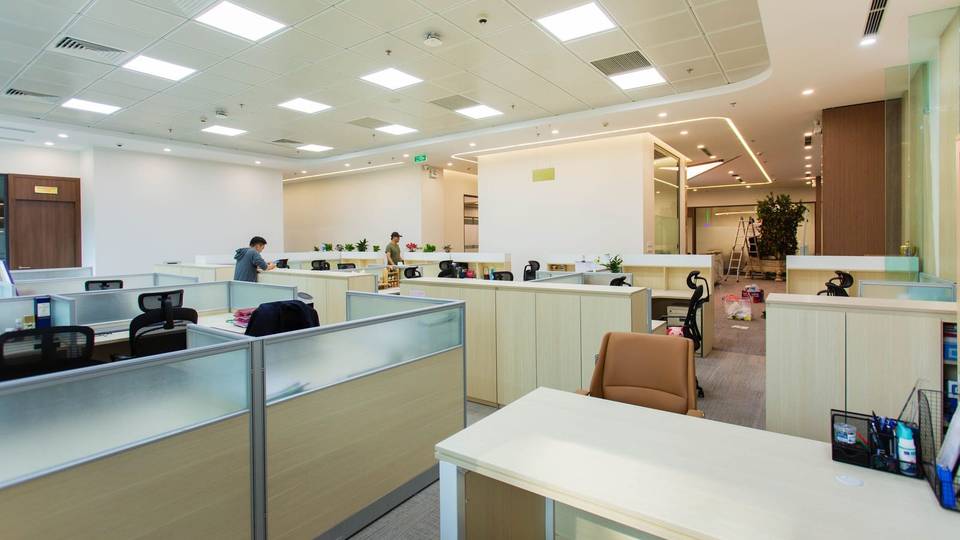
1. Define your needs first
Before requesting offers, define your premises clearly: approximate area in square metres, number of floors, number of offices, meeting rooms, washrooms and kitchens, working hours, and daily staff and visitors.
Decide whether you need a cleaner on site all day or daily or weekly visits at set times. These details change the offer considerably and help companies make comparable offers.
2. A written scope of work
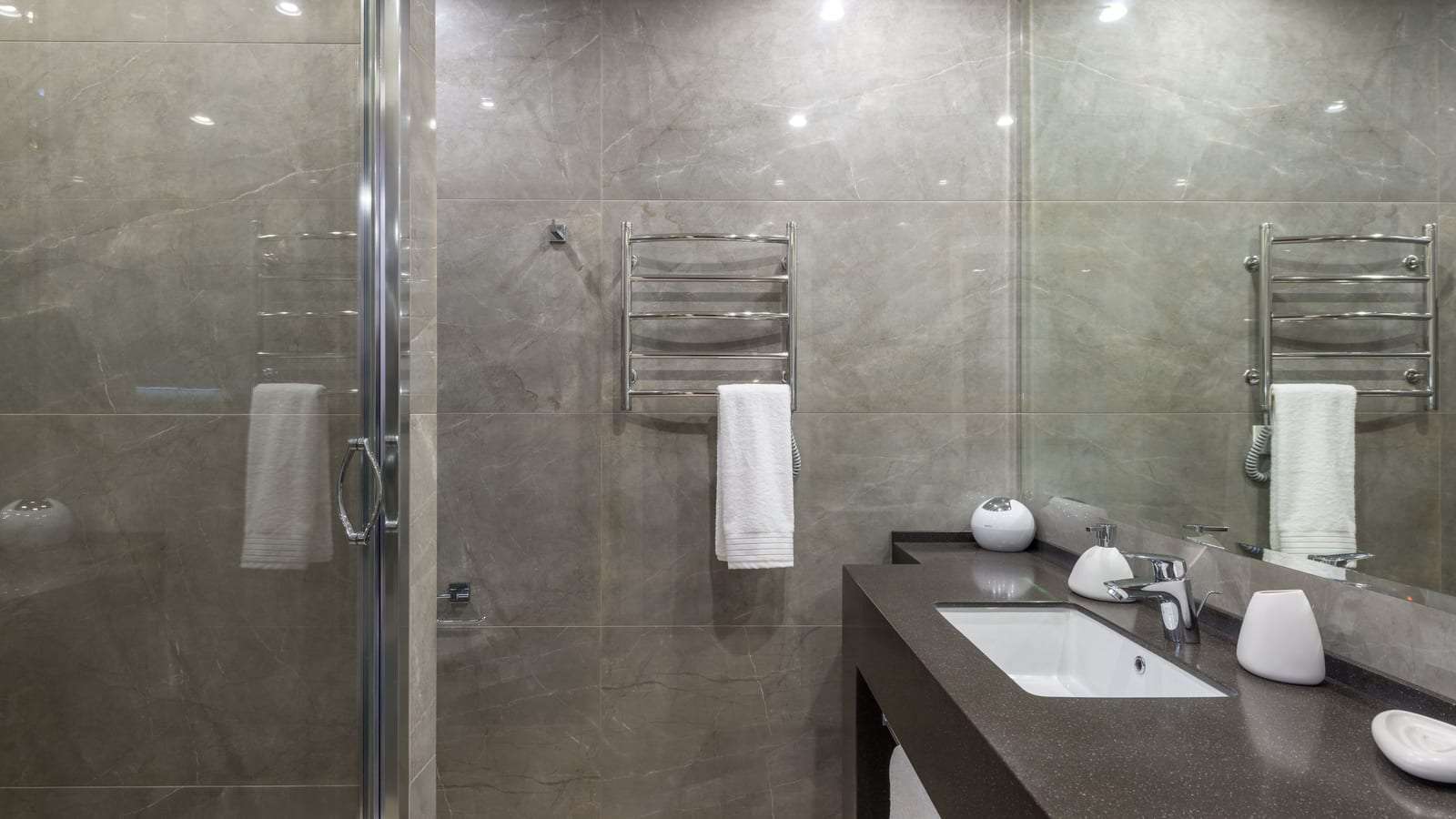
- Areas covered: offices, corridors, reception, meeting rooms, kitchens, washrooms.
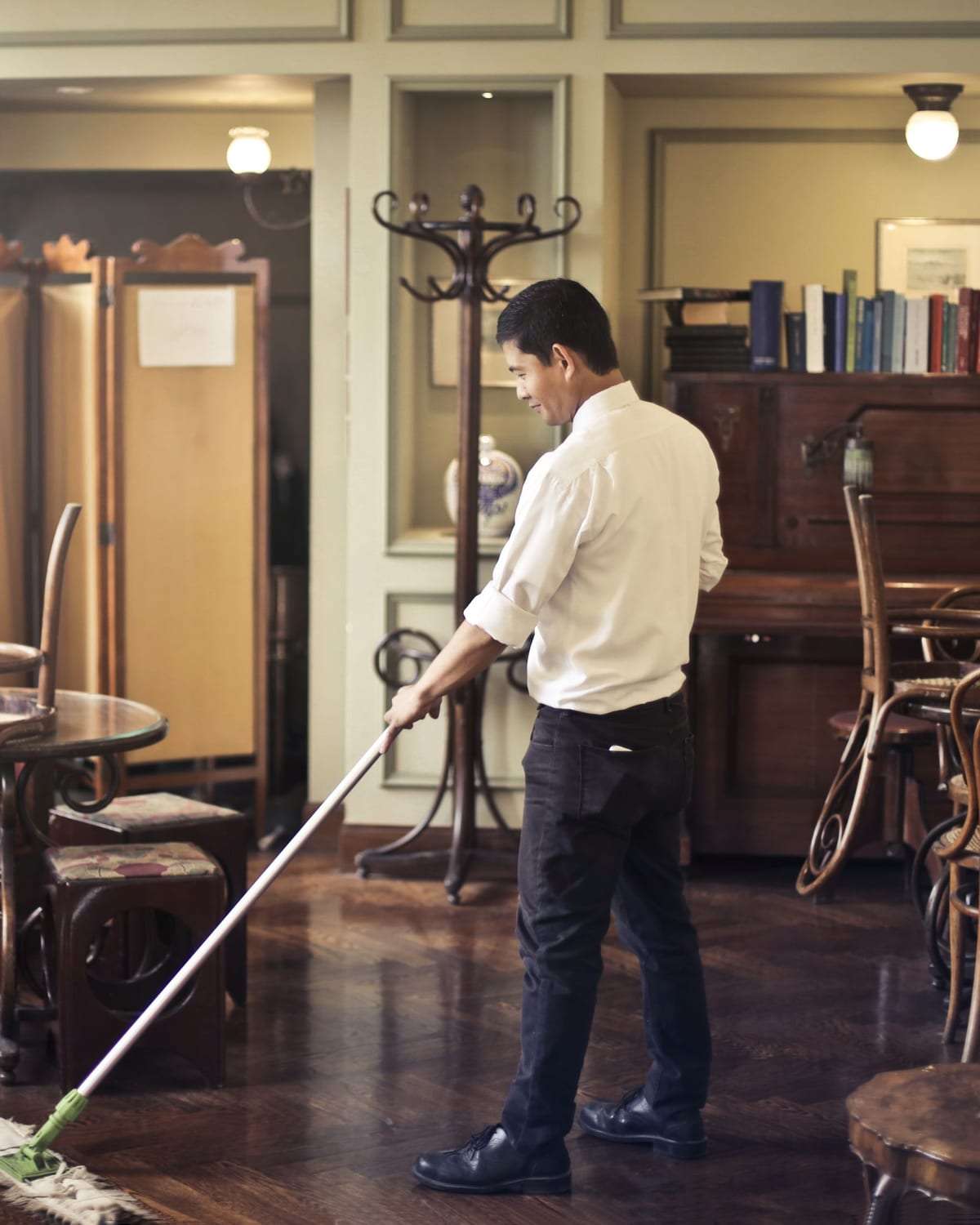
- Daily tasks: emptying bins, wiping surfaces, floors, washrooms.
- Weekly and monthly tasks: interior windows, doors, deeper kitchen cleaning.
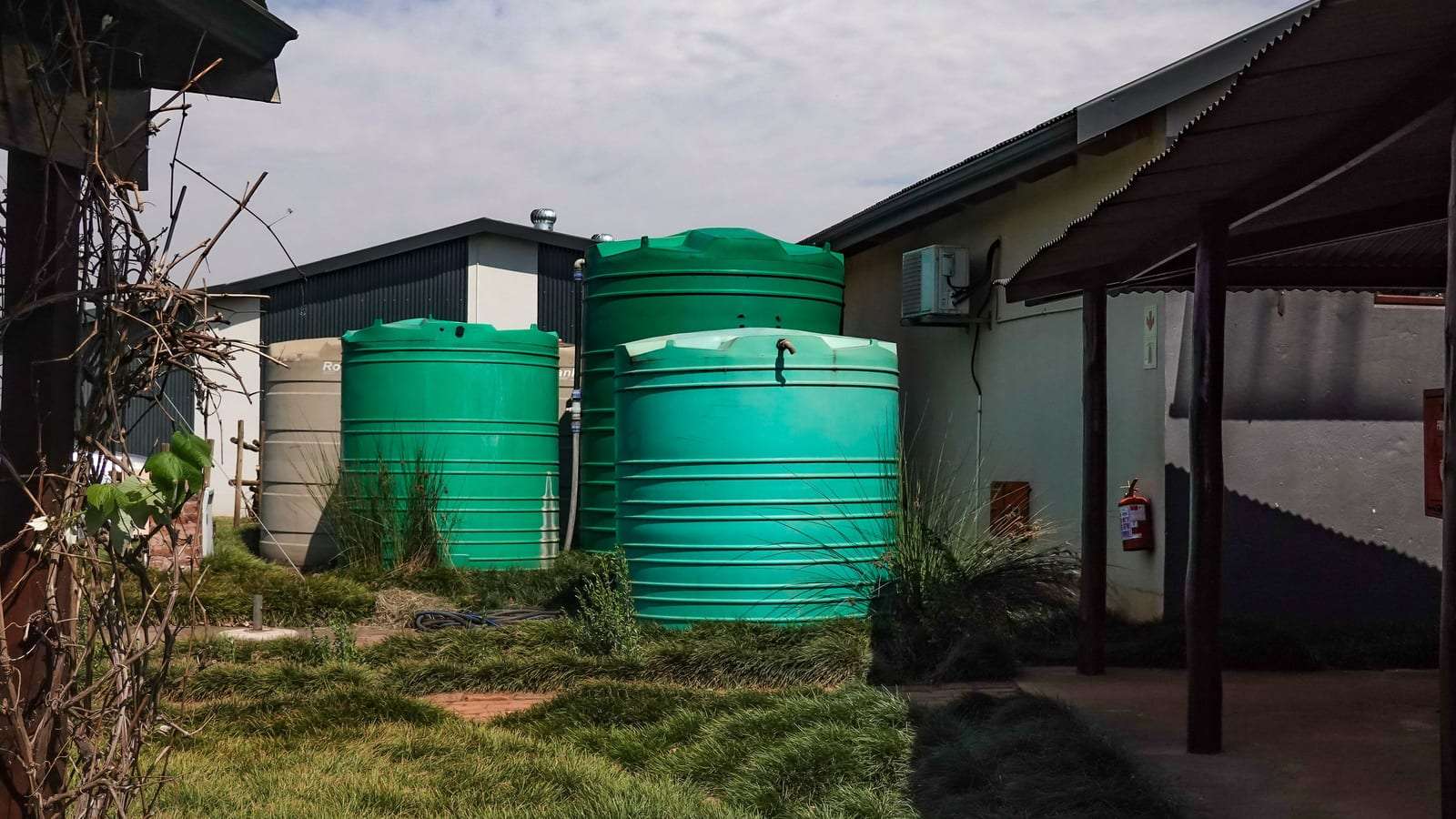
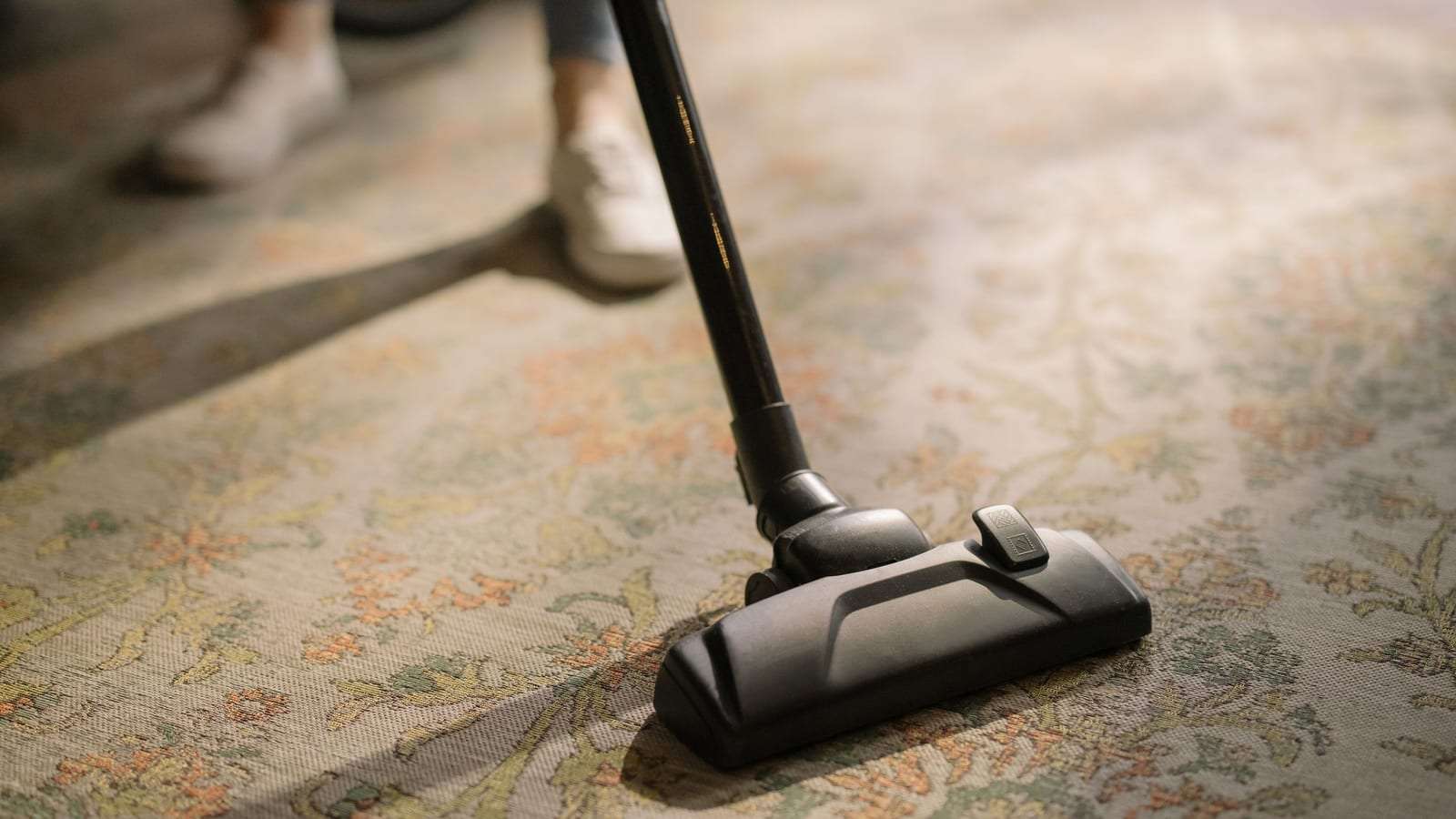
- Periodic tasks: carpet and chair washing, glass facades, tanks.
- What the contract clearly doesn’t cover.
A detailed written scope is the foundation of the contract — without it, quality is hard to measure and disputes hard to resolve.
3. Visit frequency and timing
Agree the number of visits per week, the length of each and their timing. Many offices prefer cleaning before or after working hours so work isn’t disrupted, while shops and restaurants need cleaning at set times before opening or after closing.
If you need an on-site cleaner all day, agree working hours, breaks and what happens on days off.
4. Workers
The workers the company sends are its employees, with valid residency and work documents, and the company is responsible for them. A cleaning contract involves no recruitment or sponsorship arrangements on your side.
Ask about the number of workers, whether the same team comes each time, and whether a company supervisor oversees the work and can be contacted. You can set a team preference where your premises require it, such as women’s clinics or ladies’ sections.
5. Absence and replacement
One of the most important clauses: what happens if a worker is absent on a given day? Does the company send a replacement, and how quickly? Is the day deducted if no replacement comes?
Ask for this clause in clear writing, because an absence without cover means a day without cleaning in premises customers walk into.
6. Materials and tools
Agree who supplies materials and tools: the company or your business. If the company does, ask what they are, especially in clinics, restaurants and premises with children or food.
Ask about consumables such as bin bags, tissues and washroom soap: are they included or supplied by you? Make sure the team doesn’t mix cleaning products and stores them safely.
7. Restaurants and commercial kitchens
Restaurants, cafés and commercial kitchens need special care: grease on hoods, walls and floors, clean preparation areas, and washrooms. These businesses may be subject to specific health requirements, so ask about the company’s experience with them and request written visit records if you need them.
Cleaning commercial extraction ducts inside may need a specialist company — ask if it’s required.
8. Glass facades and work at height
If your business is in a tower or building with a glass facade, cleaning it from outside needs trained teams with proper safety equipment and may need building-management approval. Regular cleaning staff should never be asked to work at height without training and equipment.
Facade cleaning can be a periodic item in the contract or a separate service. Read about glass and facade cleaning.
9. Measuring quality and follow-up
Agree how quality is monitored: a daily task checklist signed by the supervisor, periodic inspection visits, or a monthly review meeting. A clear feedback route makes problems quicker to fix.
Set out in the contract how feedback is handled: is the task redone the same day, and what happens if a problem recurs?
10. Damage and liability
Ask about the company’s policy if something is damaged during the work, such as scratched furniture or a broken device, and whether it has cover. Don’t assume it’s automatically included — ask for it in writing.
11. Term, termination and renewal
- The term: one month, three months, a year.
- Conditions for ending early and the notice period required.
- Whether the contract renews automatically and how to stop it.
- Whether the scope can be changed during the contract.
- What happens during holidays, Eid and closures.
It helps to start with a short term if possible and renew for longer if you’re satisfied.
12. How to compare offers
Don’t compare on price alone — compare scope, number of workers and hours, materials, the absence clause, follow-up and termination terms. A cheaper offer may mean fewer workers, fewer hours or materials not included.
Make sure each company holds a commercial registration covering cleaning. We don’t list prices on the site, as they vary widely by business.
13. The first weeks of the contract
The first weeks of any cleaning contract are a settling-in period for your business and the company, so don’t expect everything to be perfect from day one. Meet the supervisor at the start, walk the premises together and point out the areas that matter most, such as reception, washrooms and the meeting room.
At the end of the first month, review the work with the company: what’s going well and what needs adjusting in timing, tasks or staffing. This early conversation stops feedback piling up and keeps the relationship clear for both sides throughout the contract.
14. How to request offers
In the SaudiCleaning form, choose business cleaning, then your business type and area in square metres, and choose “contract” as the frequency. Add your city, working hours and preferred cleaning times, and cleaning companies will contact you with offers. See also business cleaning contracts.
FAQ
Can cleaning happen outside working hours?
Yes — many offices prefer it. Give the preferred time in your request.
What happens if a worker is absent?
It depends on the absence clause. Ask for it in clear writing before signing.
Does the contract cover facades?
It may as a periodic item, or it may be a separate service needing a trained team and safety equipment.
Should I start with an annual contract?
It helps to start with a short term if possible and renew for longer if you’re satisfied.
Do you supply workers to businesses directly?
No — the company provides the service with its own staff, and we don’t deal with recruitment or sponsorship arrangements.
This guide is general information and contains no recipes or quantities for mixing cleaning products. Never mix cleaning products, read each product’s label, and ventilate. If fumes are inhaled or a product gets in the eyes or is swallowed, seek medical help immediately.