Clean glass, safely
Glass and facade cleaning
In Saudi cities, dust builds up quickly on glass and facades, especially after sandstorms; the occasional rain leaves spots on dusty glass; and in coastal cities humidity and salt add a layer that’s hard to remove. Clean glass facades change the look of a whole villa or commercial building and let natural light in.
Cleaning low glass is relatively simple; high facades and towers need teams trained for work at height with proper safety equipment, and shouldn’t be done by just anyone. With SaudiCleaning you give the building type and number of floors, and your request reaches specialist companies in your city who contact you with offers.
What the work includes
Glass inside and out
Windows, glass doors and facades, plus the frames and tracks where dust collects.
Villa facades
Large glass in majlis rooms and stairwells, balconies and glass balustrades, and stone or clad facades if requested.
Commercial buildings
Shop, showroom and office frontages and building entrances, usually on regular visits.
Towers and high buildings
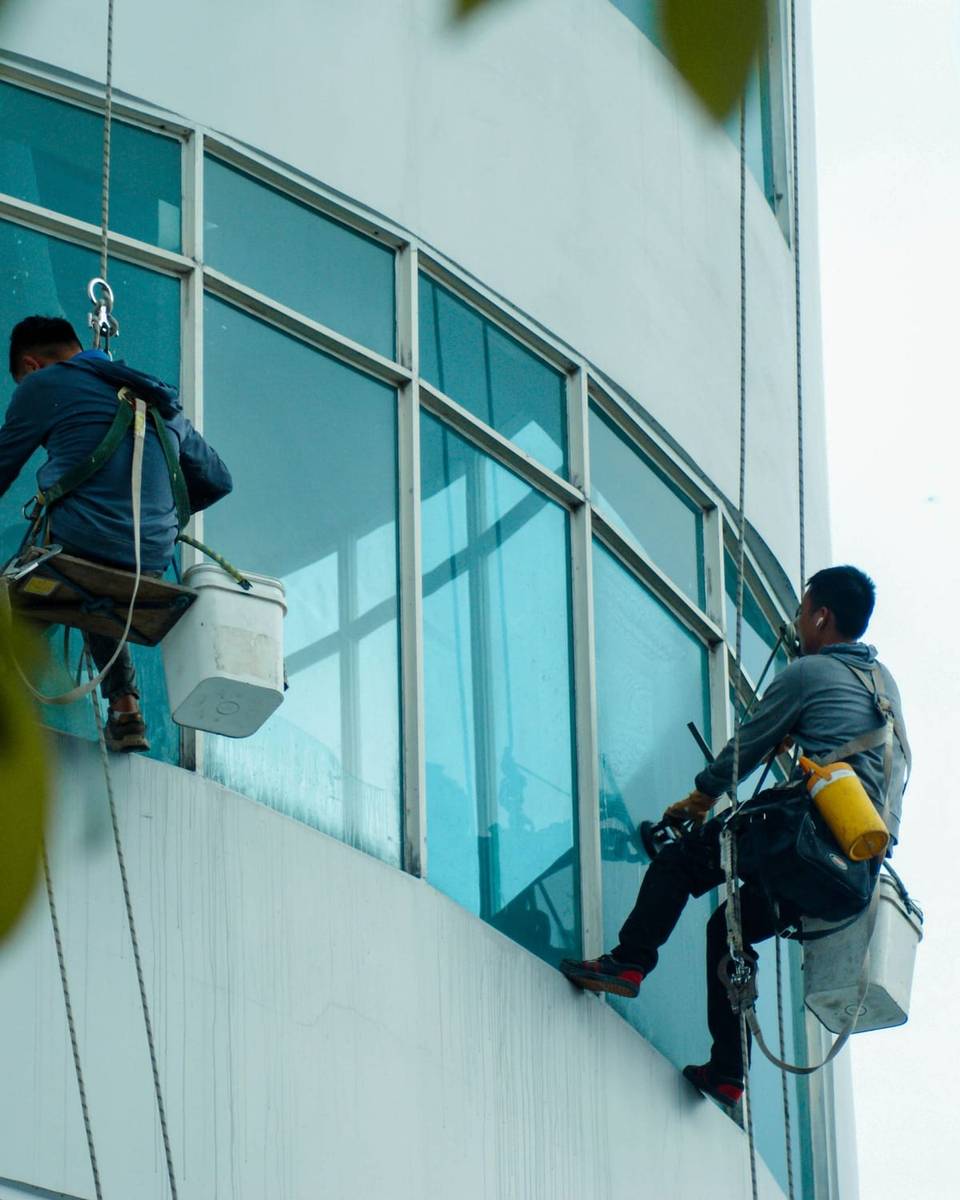
Exterior glass facades cleaned by rope access, suspended platforms or lifts, depending on the building.
Removing marks
Water and rain spots, hardened dust and sticker residue, as far as the glass allows.
What needs special arrangement
Work at height has safety requirements and, in some buildings, may need building-management approval or advance arrangements with residents and passers-by. Cleaning doesn’t include replacing broken glass, sealing around frames or facade maintenance.
Some marks — mineral deposits that have etched the glass over years — don’t come off with cleaning and need specialist treatment or replacement. A serious company tells you so after inspecting.
If the building is new, the glass usually needs paint, cement and adhesive residue removed, which is part of post-construction cleaning.
How the work is done safely
For low glass the team works from the ground or from safe ladders, with squeegees, cloths and suitable water. High facades are cleaned using one of the work-at-height methods: rope access with harnesses and anchor points, the suspended platforms installed on some towers, or lifts for mid-rise buildings. The specialist chooses the method for the building.
In every case, work at height must be done by trained workers wearing helmets and harnesses, with someone watching from below, and the area beneath protected from passers-by. These aren’t minor details but the basis of the job — ask about them explicitly before agreeing.
Time depends on the glass area, the building’s height, access and the weather; strong wind and dust may postpone work at height for safety.
As for timing, it’s best to clean after the sandstorm season or after a strong storm, not before, so the glass doesn’t get dirty again days later. In the hot summer, early morning is preferable, because hot glass dries water too fast and leaves streaks, and working at height under a scorching sun is exhausting and dangerous for workers. In commercial buildings, work is usually arranged before or after opening hours so access isn’t disrupted.
How to prepare
- Give the building type and number of floors, and whether the glass is inside, outside or both.
- For towers: coordinate approvals and anchor points or platforms with building management.
- Move items away from windows inside, and keep windows closed on the day.
- Tell residents or staff the time, so they aren’t surprised by workers outside the windows.
- Mention coated glass or window films that need care.
Equipment, safety and team
Facade cleaning needs different equipment from indoor cleaning: telescopic poles, squeegees, sometimes filtered-water systems, and for height, ropes, harnesses, helmets and anchoring equipment or platforms and lifts. Companies’ capabilities vary widely here — not every cleaning company can work on towers.
Ask the company about its workers’ work-at-height training, its safety equipment and its liability cover in case of damage. Don’t accept anyone working on a high facade without clear safety equipment.
Questions to ask the company
- How will you reach the facade — rope access, a platform or a lift?
- Are your workers trained for work at height, and what safety equipment do they use?
- Do you need building-management approval, and who arranges it?
- Do you have cover for damage?
- Do you offer regular visits for commercial frontages?
- What happens if the work is postponed because of wind or dust?
What drives the price?
- The area of glass and facades.
- The building’s height, number of floors and access method.
- Inside and outside, or outside only.
- The glass’s condition and the amount of marks and deposits.
- One-time or regular visits.
Read the cleaning cost guide before comparing.
Glass and facade cleaning: FAQ
Can any cleaning company clean towers?
No — towers and high facades need trained teams and safety equipment for work at height. Ask about it explicitly.
How often should a glass facade be cleaned?
It depends on location and dust; commercial frontages are usually cleaned on regular visits, and all facades need cleaning after sandstorms.
Will old water spots come off?
Many will, but deposits that have etched the glass may not come off with cleaning.
Can villa glass be cleaned from outside?
Yes — low glass easily; high glass needs suitable equipment.
Can I combine it with office cleaning?
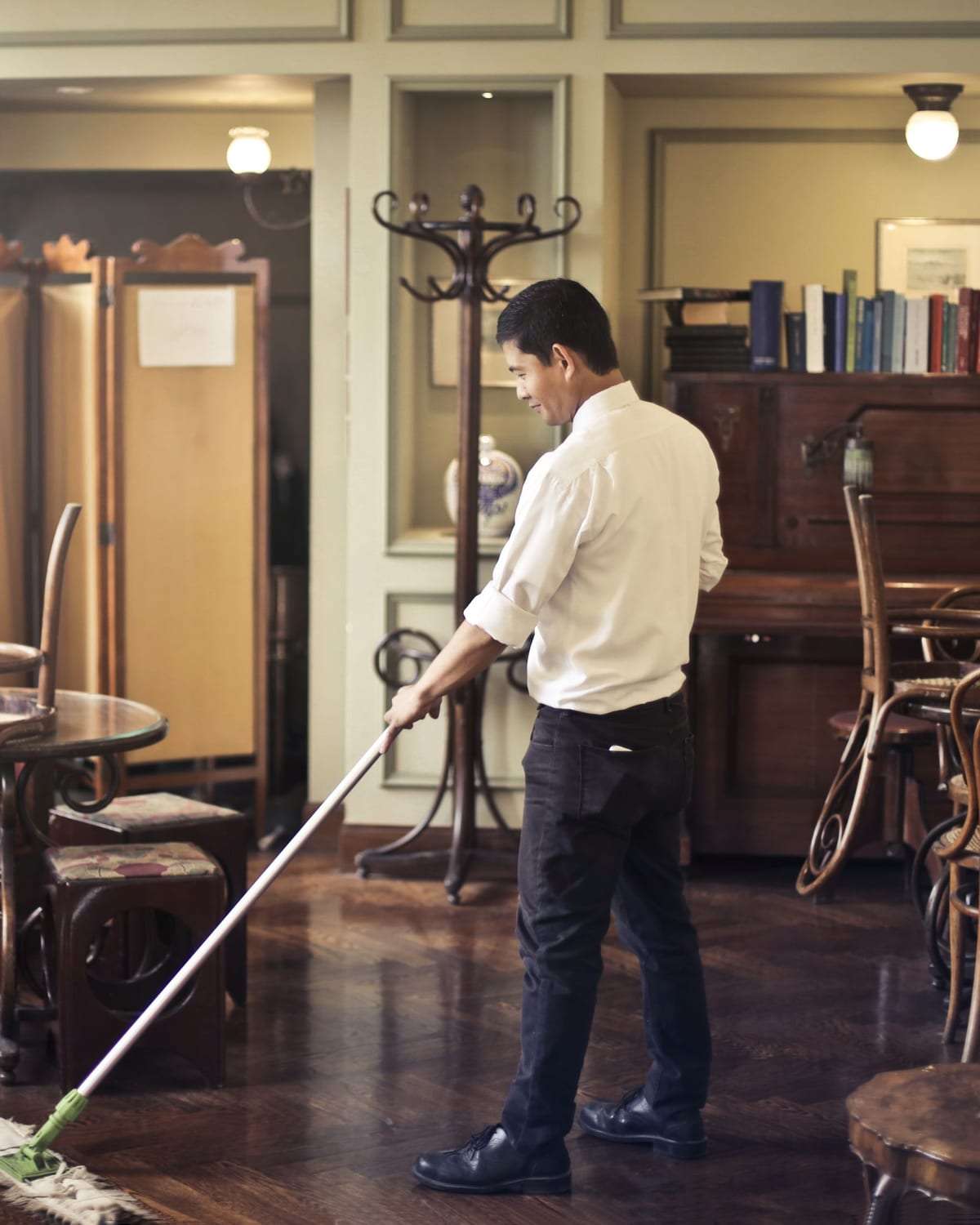
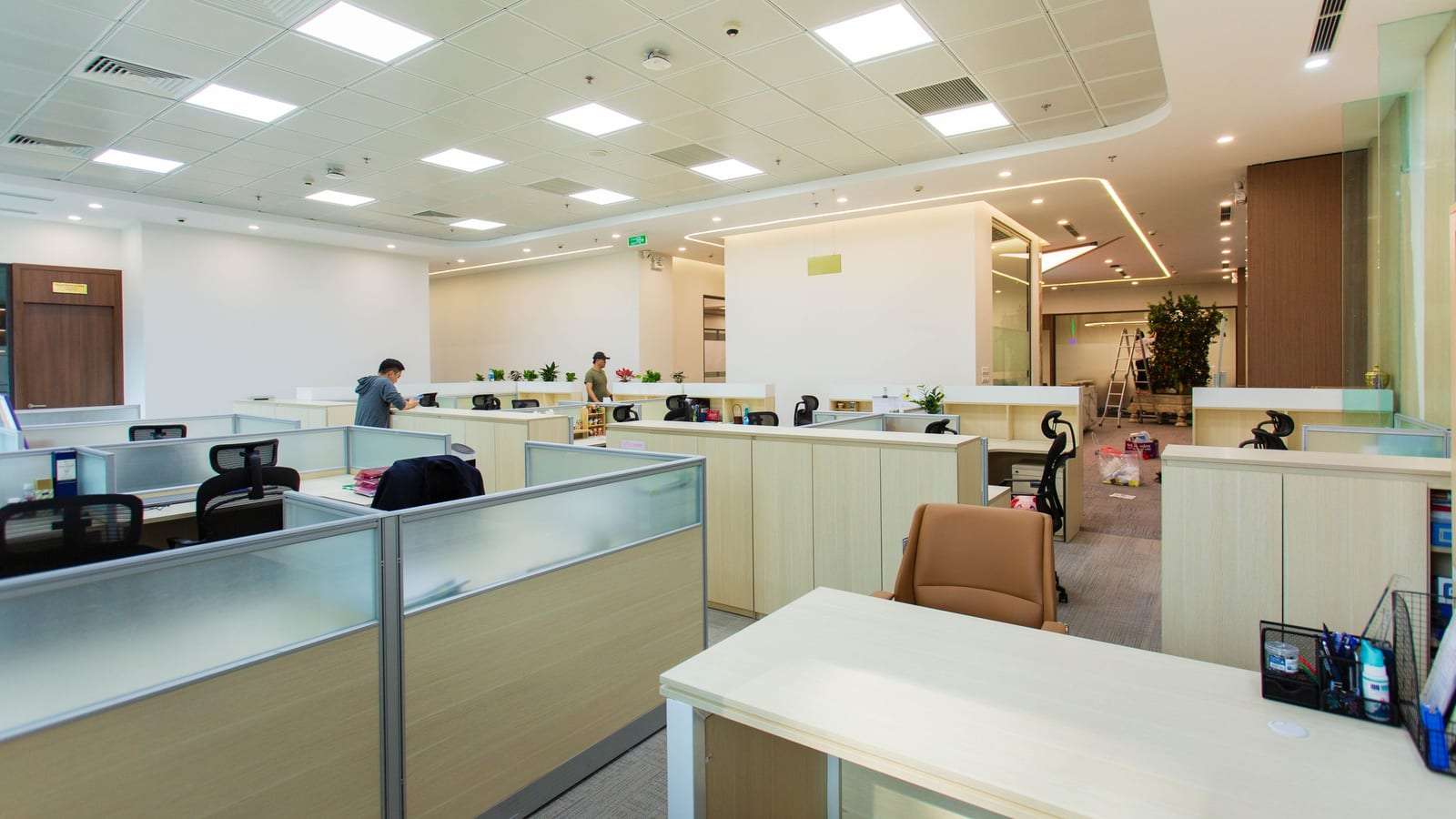
Yes — mention it in your request, or read about office cleaning and contracts.
Related services

Helpful guides
Request glass and facade cleaning offers
Give the building type and number of floors, and let specialist companies contact you with offers.