1. How dust affects fabrics
Dust in Saudi Arabia is very fine and carries tiny grains of sand and soil. When it settles on sofas and carpets it gets between the fibres, and with sitting and walking it acts like fine sandpaper, rubbing and weakening the fibres over time, so colours fade and textures roughen.
Dust also attracts moisture and oils from skin and food, forming a dull layer that’s hard to wipe off. That’s why seating looks darker after the dusty season, with clear marks on armrests and headrests.
2. Daily and weekly care
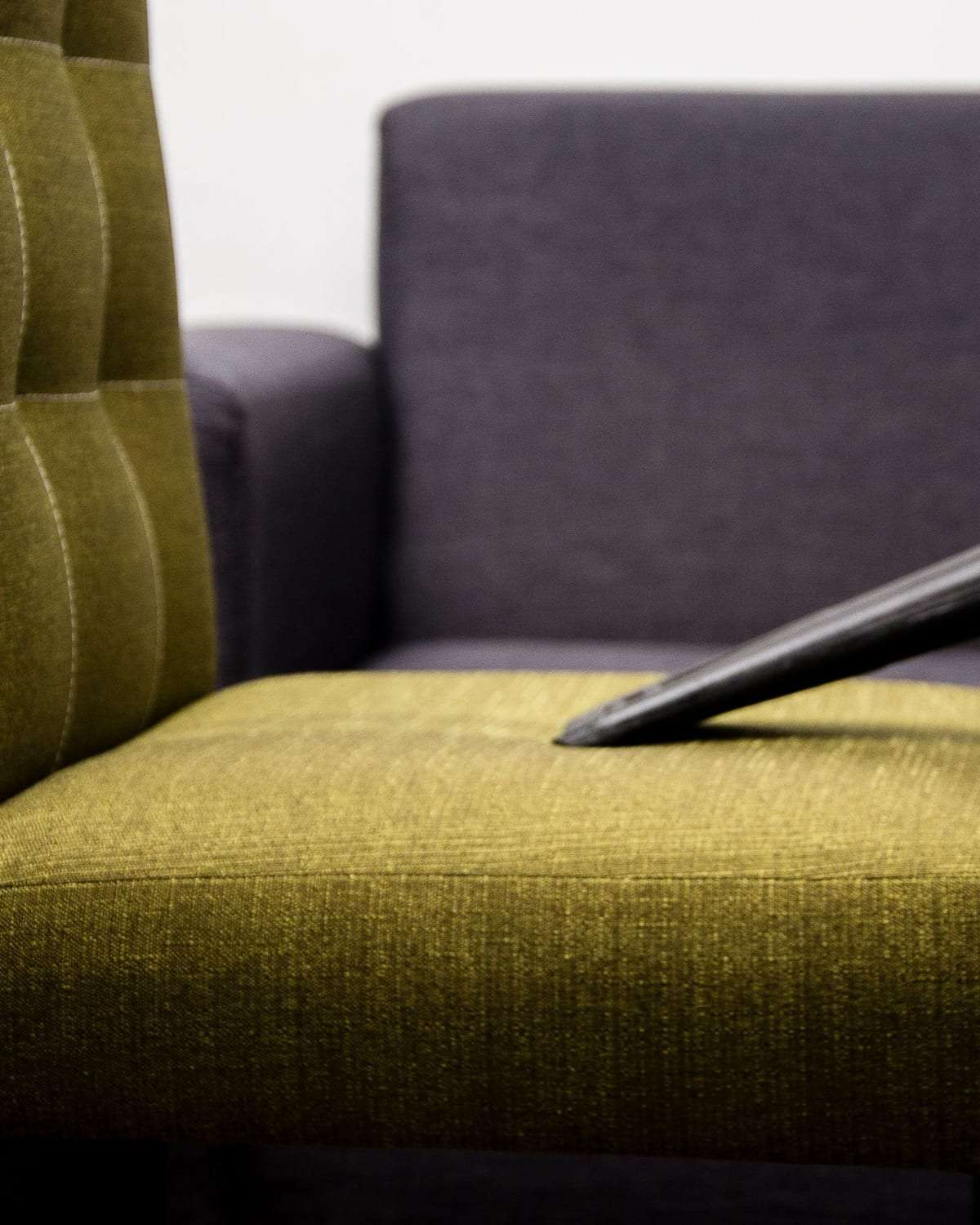
- Vacuum sofas and floor seating at least once a week with the upholstery nozzle.
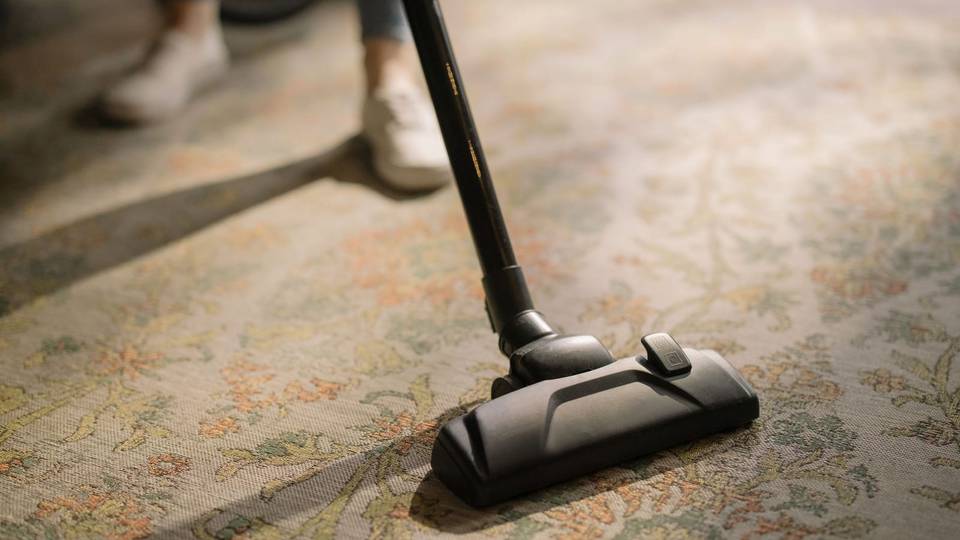
- Vacuum carpets twice a week in dusty seasons, slowly and in both directions.
- Flip and rotate cushions and bolsters so wear is spread evenly.
- Cover seating that isn’t used often with light fabric covers.
- Close windows during dust waves and clean the tracks afterwards.
- Put door mats at entrances to reduce dust coming in.
These simple habits don’t replace professional washing, but they lengthen the time between washes and protect colours and fibres.
3. Dealing calmly with stains
When something spills on a sofa or carpet, blot it gently with a clean dry cloth to absorb the liquid — don’t rub, as rubbing pushes the stain deeper and spreads it. If it doesn’t come out with light blotting, leave it to the specialist.
Don’t try mixing different cleaners on a stain, and don’t use a strong cleaner on a fabric you don’t know — it may change colour or weaken the fibres. Read the care label on the sofa if there is one; it shows what suits the fabric.
4. When do you need professional washing?
- The fabric has changed colour or has a dull layer that vacuuming won’t lift.
- Smells linger in seating or carpets despite airing.
- Old stains or marks on armrests and headrests.
- After a heavy dust season, or before Ramadan, Eid and occasions.
- Before moving into a furnished home, or after guests leave a furnished flat.
- If there are small children at home or someone with a dust allergy.
Many homes wash seating and carpets once or twice a year, more often in homes that host guests frequently or in dustier cities.
5. Different cleaning methods
- Steam or extraction cleaning
Hot water with a suitable cleaner is sprayed into the fibres and drawn out with the dirt by a strong vacuum. Suits many fabrics and synthetic carpets.
- Dry or low-moisture cleaning
Uses very little moisture, suits delicate fabrics that can’t take water, and dries faster.
- Carpet washing at a facility
The carpet is taken to a specialist facility, washed and dried there — good for large or very dirty carpets.
- On-site cleaning
Sofas and carpets are cleaned at home where they stand — the most common option for sofas and fixed seating.
No single method suits every fabric, so ask the company which method it suggests for yours, and why.
6. Handmade, wool and silk carpets
Handmade carpets and those made of wool or silk need special care: natural dyes can bleed with hot water or strong cleaners, and silk can be damaged by rubbing. If you have a valuable or old carpet, mention it in your request and ask the company about its experience with that type.
For these carpets it’s best to test the method on a small hidden corner first, and make sure the carpet dries completely afterwards, since leftover moisture can cause smells or colour changes.
7. Drying: the step many people overlook
After washing, sofas and carpets need to dry well before use. Poor drying can leave moisture in the foam or under the carpet, leading to smells or mould spots — especially in humid coastal cities like Jeddah, Dammam and Jazan.
Ask the company how long drying should take, open windows or run the AC and fans afterwards, and don’t put covers or furniture back on the carpet until it’s completely dry. In summer fabric dries faster; in winter or humid weather it may take longer.
8. Mattresses and curtains
Mattresses collect sweat, dust and skin flakes, and benefit from vacuuming and steam cleaning once or twice a year, aired in the sun if possible. Curtains collect dust from windows and need washing or steaming depending on the fabric.
You can add mattresses and curtains from the extras in the form, with their number and approximate sizes.
9. What to prepare before the visit
- Count the sofa seats and floor seating, and estimate the carpet area.
- Clear small items off sofas and free the space around carpets.
- Tell the company the fabric type if you know it, and where old stains are.
- Mention any handmade, wool or silk carpets.
- Agree where carpets will dry if they’re washed at home.
10. What affects the cost?
Cost depends on the number of seats and carpet area, the fabric, how dirty and stained it is, the cleaning method, and whether carpets are washed at home or at a facility. We don’t list prices on the site, as they vary between companies, so ask for more than one offer and compare what each includes.
11. How to request offers
In the SaudiCleaning form, choose sofa and carpet cleaning, then give the number of seats and approximate carpet area, and add mattresses or curtains if needed. Add your city and a suitable date, and cleaning companies will contact you with offers. See also sofa and carpet cleaning.
FAQ
How often should sofas and carpets be washed?
Usually once or twice a year, more often in homes that host guests a lot or in dusty seasons.
How long does a sofa take to dry after washing?
It depends on the fabric, the method and the weather — ask the company for an estimate and ventilate well.
Can every stain be removed?
Many stains fade or disappear, but some old stains may not come out completely, and no company can promise that.
Can a silk carpet be washed at home?
It needs special care — ask the company about its experience; it may recommend a specialist facility.
Is steam cleaning safe for all fabrics?
No — some delicate fabrics need dry or low-moisture cleaning. Read the care label and ask the company.
This guide is general information and contains no recipes or quantities for mixing cleaning products. Never mix cleaning products, read each product’s label, and ventilate. If fumes are inhaled or a product gets in the eyes or is swallowed, seek medical help immediately.