From work site to ready home
Post-construction and renovation cleaning
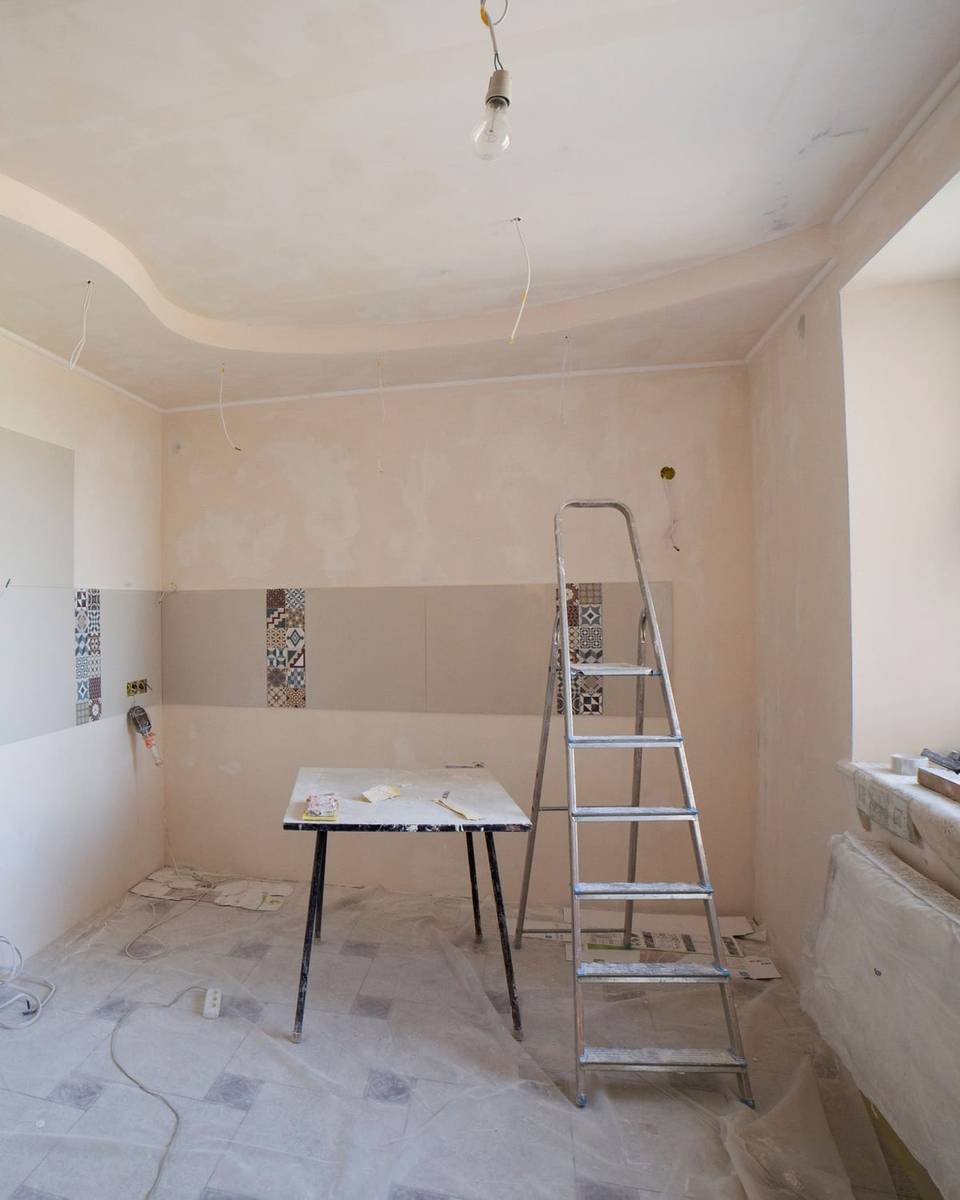
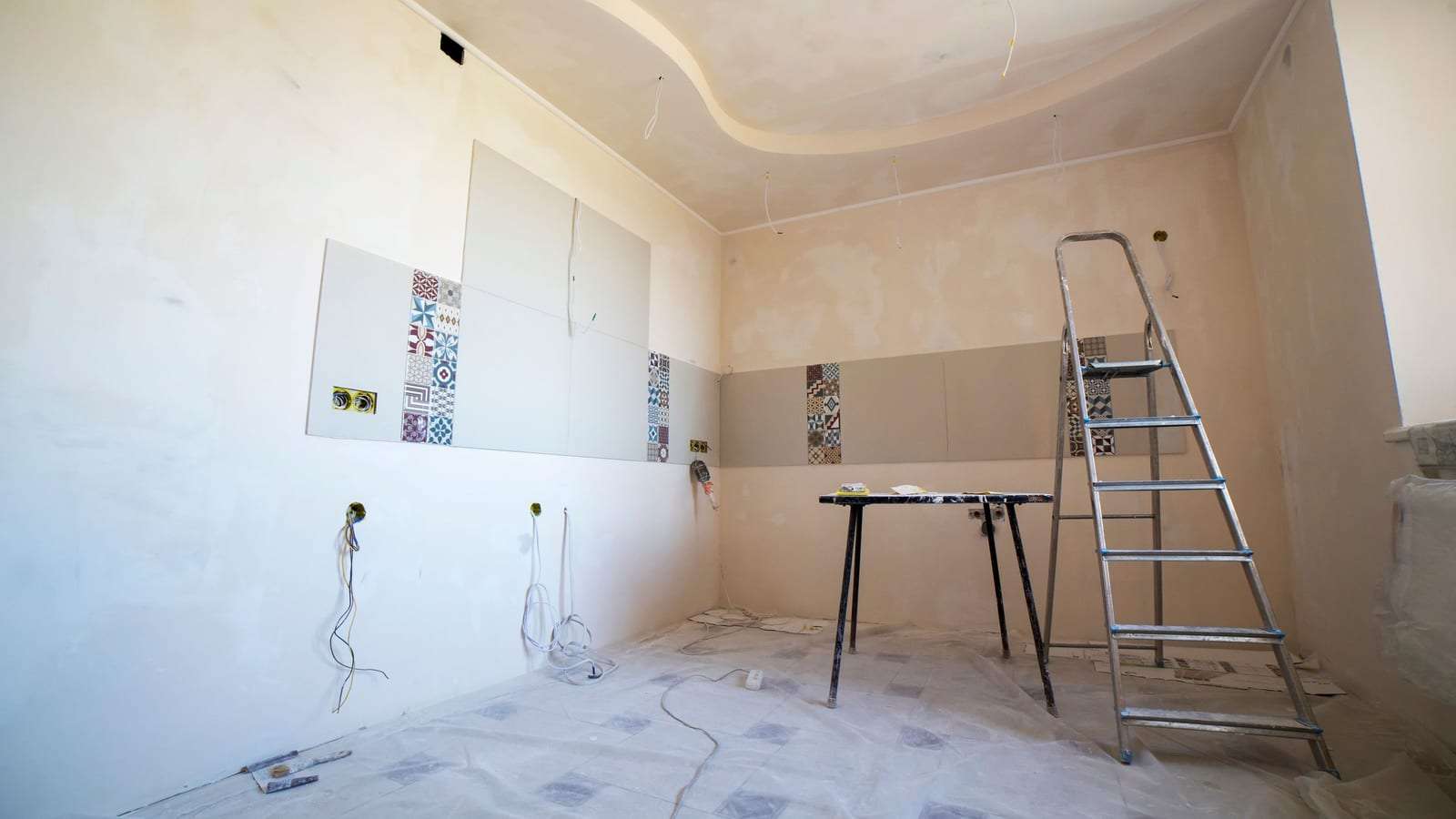
When the building contractor finishes construction or renovation, the home is left with things the contract doesn’t mention: fine cement and plaster dust covering every surface and getting into cupboards and tracks, paint splashes on tiles, glass and frames, tile adhesive and silicone residue, and stickers on windows and new appliances. None of this comes off with ordinary cleaning — it needs different methods and tools.
Post-construction cleaning is a separate stage between the end of the works and moving in, and it pays to plan it early so it doesn’t delay your move. With SaudiCleaning you give the building type, its size and the work done, and your request reaches cleaning companies in your city with experience of this kind of job.
What post-construction cleaning includes
Removing fine dust
Vacuuming dust from floors, walls, ceilings, corners, window and door tracks and outdoor AC openings, in stages, because it settles again after the first clean.
Paint and plaster residue
Removing paint overspray and plaster spots from tiles, glass, frames and switches with tools that don’t scratch.
Cement and adhesive residue
Removing tile adhesive, cement and excess silicone from tiles and basins.
Glass and frames
Removing stickers and protective films from glass and frames, and cleaning them inside and on low exteriors.
Kitchens and bathrooms
Cleaning new cupboards inside, and basins, taps and bathroom fittings of dust and marks.
Floors
Washing floors more than once until the white dust is gone, and cleaning grout.
What it doesn’t include
Post-construction cleaning doesn’t include removing large building waste such as rubble, tile offcuts and timber — that’s usually the building contractor’s responsibility or requested separately. Nor does it include fixing workmanship defects such as uneven paint or broken tiles, which should be raised with the contractor before cleaning.
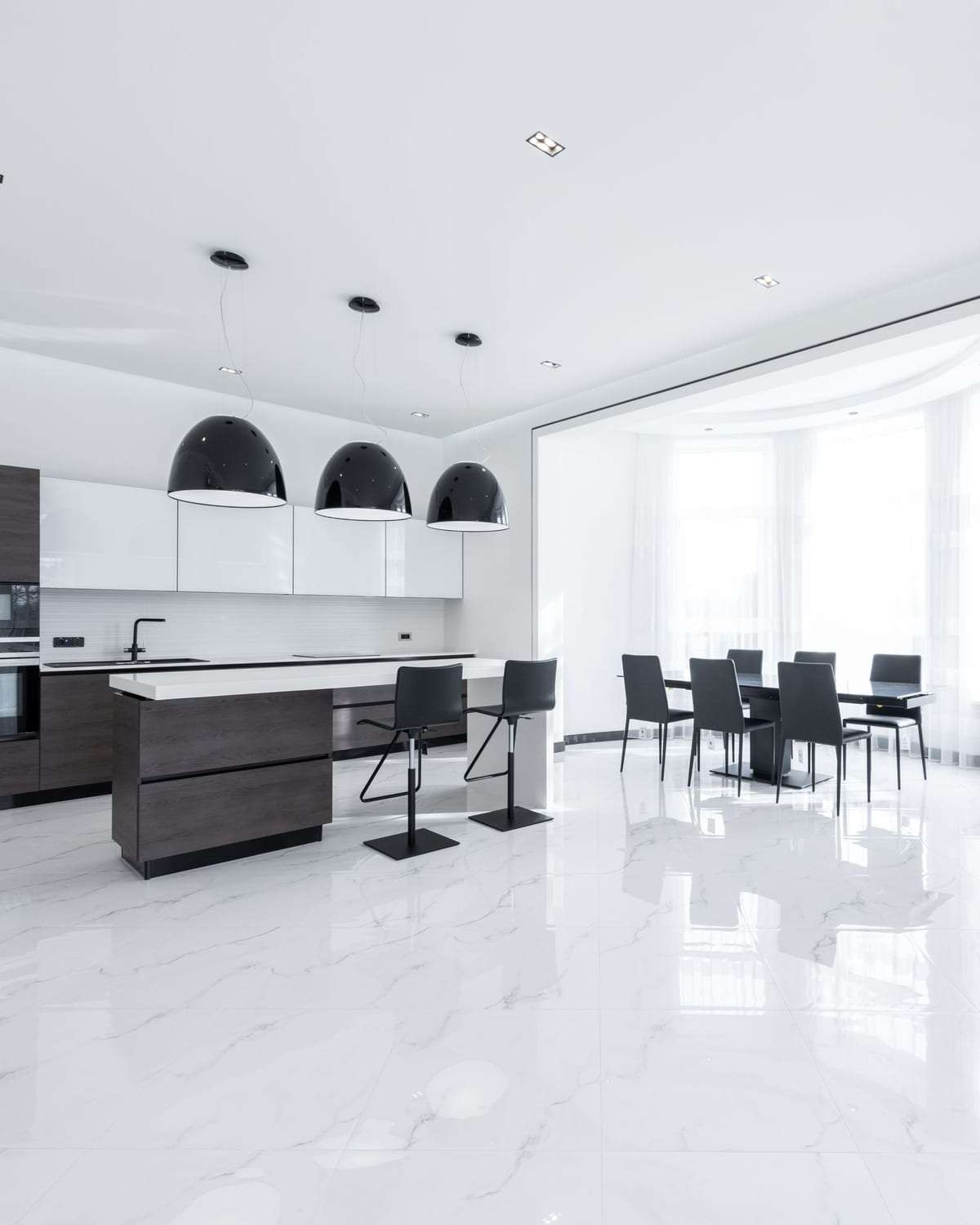
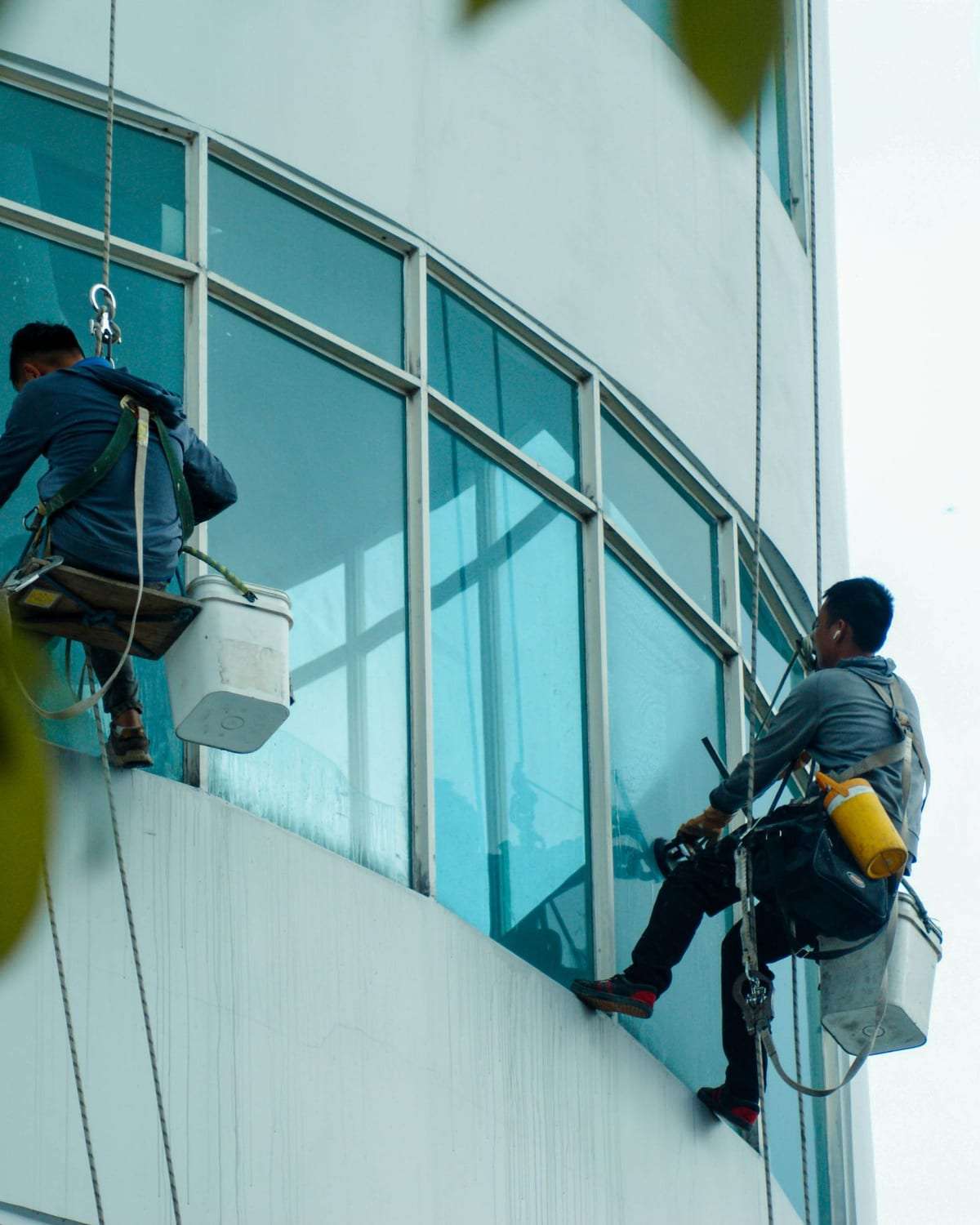
Marble polishing after construction is a separate service, best done after the first clean rather than before it. Read about tile and marble polishing. High facades need a team and work-at-height equipment — read about glass and facade cleaning.
The final clean shouldn’t start before all works are finished, even small finishing jobs, because any later work brings the dust back.
How the work is done, and how long it takes
Post-construction cleaning is usually done in two or more stages. The first removes heavy dust and work debris; the home is then left for a while so airborne dust can settle; the final clean removes what has reappeared and brings surfaces and glass to a shine.
The team uses industrial vacuums designed for fine dust, because household vacuums break down quickly with cement and plaster dust. It works top to bottom, ventilates well, and wears masks to protect workers from the dust.
Time depends on the building’s size, the amount of dust and marks and the number of workers. A partly renovated flat can be done in a day; a whole new villa may need several days with a large team. Ask for a clear schedule in the offer, and coordinate it with your handover from the contractor and the furniture delivery.
We suggest visiting after the first stage to spot any marks left on tiles and glass, and pointing them out to the supervisor before the final stage.
How to prepare
- Make sure all works are finished and handed over by the contractor before the final clean.
- Ask the contractor to remove large waste before the cleaning date.
- Make sure water and electricity are available in the building.
- Mention the type of new floors and surfaces, especially natural marble and wood.
- Tell the company about installed appliances or furniture that need protecting.
Equipment, products and safety
This work needs heavier equipment than home cleaning: industrial vacuums, special scrapers that don’t scratch glass, ladders and pressure washers. Specialist companies usually bring them, so confirm it in the offer and ask about their experience with post-construction cleaning specifically.
Some marks need dedicated removers, so leave the choice to the company and don’t try strong products yourself on new surfaces — they can damage marble or discolour frames. Never mix cleaning products, and keep the space ventilated during the work.
Questions to ask the company
- Do you have post-construction experience, and how many stages does the offer include?
- Do you bring industrial vacuums for fine dust?
- Does the offer include removing paint and cement residue from tiles and glass?
- Does it include removing waste, or should the contractor do that?
- How many days and how many workers will it take?
- What happens if a surface is scratched while removing marks?
What drives the price?
- The building’s size and number of floors and rooms.
- The type of work: a complete new build or a partial renovation.
- The amount of dust and paint and cement residue.
- The number of stages, days and workers.
- Extras: floor polishing, facade cleaning and tanks.
Read the cleaning cost guide before comparing.
Post-construction cleaning: FAQ
Why does dust come back after cleaning?
Fine dust stays in the air and then settles, which is why cleaning is done in stages. Read the guide.
When should cleaning start?
After all works are finished and handed over, and before the furniture arrives.
Does it include removing building waste?
Large waste is usually the contractor’s responsibility; cleaning covers dust, marks and small work debris.
Does it include marble polishing?
Usually not — it’s a separate service that comes after the first clean.
How long does a new villa take?
It may need several days with a large team, depending on its size and the amount of dust.
Can I book cleaning for a new apartment building?
Yes — give the number of flats and floors in your request.
Related services
Helpful guides
Request post-construction cleaning offers
Give the building type, size and handover date, and let companies contact you with offers.