Cleaner water for the whole house
Water tank cleaning and insulation
Many homes and apartment buildings in the Kingdom rely on a ground tank that receives water and a roof tank that feeds the taps. Over time, sand and dust settle at the bottom, and algae or stains can appear on the walls — especially if the lid doesn’t seal well or the tank is exposed to sun and dust.
Regular tank cleaning is one of the simplest ways to keep household water clean. With SaudiCleaning you give the tank type, its rough size and whether you need insulation, and your request reaches specialist companies in your city who contact you with offers.
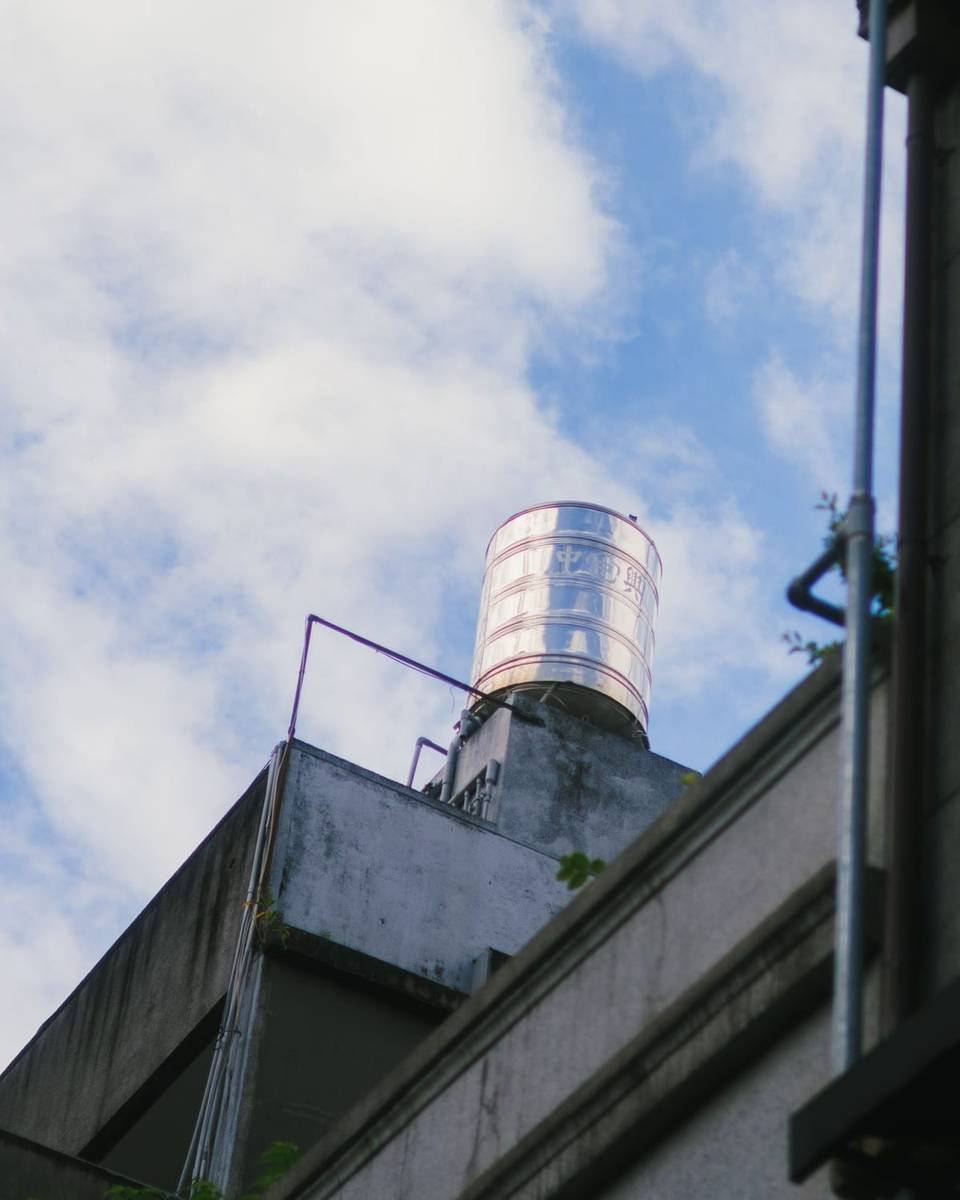
What tank cleaning usually includes
Draining
Shutting off the supply and pumping out the remaining water, arranged in advance with the household.
Removing sediment
Pumping out the sand, silt and sediment that collects at the bottom.
Washing walls and floor
Scrubbing the walls, ceiling and floor with suitable brushes and pressure-washing them.
Sanitising
Sanitising the tank with products suitable for drinking-water tanks, then rinsing thoroughly before refilling.
Inspection
Checking the lid, openings, leaks, cracks and insulation, and telling you what needs repair.
Insulation and repairs: an extra service
Insulation is different from cleaning. If the tank has cracks or leaks, or the inner lining is old and peeling, it may need repair and new insulation with drinking-water-safe materials — a separate job, priced on its own, that needs time for the materials to cure before refilling.
Cleaning also doesn’t usually include replacing pumps, float valves or pipework. It helps to ask the company for a short report on the tank’s condition after cleaning, so you know whether anything needs repair.
Lids and openings are among the most neglected parts. A roof tank exposed to sun and dust, or a ground tank whose lid doesn’t seal, lets in dust and leaves easily and is dirty again soon after cleaning. So ask the company about the condition of the lid and vent, and whether they need replacing or sealing — a simple step that makes cleaning last much longer and protects the water between visits.
How the job is done, and when
The visit is usually scheduled when water use is low, because the home is without tank water for the duration. The team drains the tank, then a technician with suitable equipment cleans it from inside, with a colleague outside for safety and ventilation; the tank is then washed, sanitised, rinsed and refilled.
How long it takes depends on the tank’s size, the amount of sediment and access. Large ground tanks in apartment buildings take longer than small roof tanks. Entering closed tanks requires experience, ventilation and safety precautions, so don’t try to clean a ground tank yourself.
As for frequency, the general rule is to clean tanks regularly, as the competent authorities recommend, and to check them after any leak, sandstorm or long interruption. Read how often to clean your water tank, and why.
How to prepare
- Know your tank type — ground, roof or both — and its rough size if possible.
- Make sure the tank opening is easy to reach, and clear anything above or around it.
- Store some water for use during the work, and tell your household or residents the time.
- Mention any leak, colour or unusual smell you’ve noticed in the water.
- If the tank serves an apartment building, coordinate with the owner or other residents.
Equipment, safety and team
Tank cleaning needs pumps to remove water and sediment, pressure washers, brushes, lighting, and ventilation and safety equipment for entering the tank. A team of two or more usually works together — one inside the tank, one outside.
This site doesn’t publish the names or quantities of sanitising products: choosing the product, its strength and the rinsing method is the specialist company’s job, appropriate to drinking-water tanks. Ask the company which products it uses and whether they’re intended for this purpose.
Questions to ask the company
- Do you clean the ground and roof tanks together?
- Are the products you use intended for drinking-water tanks?
- How long will the home be without water?
- Do you provide a report on the tank’s condition afterwards?
- Do you offer insulation and repair, and how long do the materials need to cure?
- What safety precautions do you take when entering the tank?
What drives the price?
- Tank type — ground or roof — and the number of tanks.
- Tank size and the amount of sediment.
- How easy the tank and its opening are to reach.
- Whether insulation or repair of cracks and leaks is needed.
- Tanks in buildings and compounds are larger and take longer.
Read the cleaning cost guide before comparing offers.
Water tank cleaning: FAQ
How often should I clean my water tank?
Regularly, as the competent authorities recommend, and after any leak or visible contamination. Read the guide.
Can I clean the tank myself?
Entering ground tanks without equipment, ventilation and experience isn’t advised — they’re enclosed spaces. Leave it to a specialist company.
What’s the difference between cleaning and insulation?
Cleaning removes sediment and sanitises the tank; insulation treats cracks and leaks with drinking-water-safe materials and is a separate service.
Will the house be without water?
Yes, for the duration of the work — so a suitable time is chosen and some water stored in advance.
Do you cover apartment buildings and compounds?
Yes — give the number and size of the tanks in your request.
What are the signs a tank needs cleaning?
A change in the water’s colour or smell, sediment in taps and filters, a long time since the last clean, or a broken lid. In any of these cases, ask for an inspection and cleaning without delay.
Related services


Helpful guides
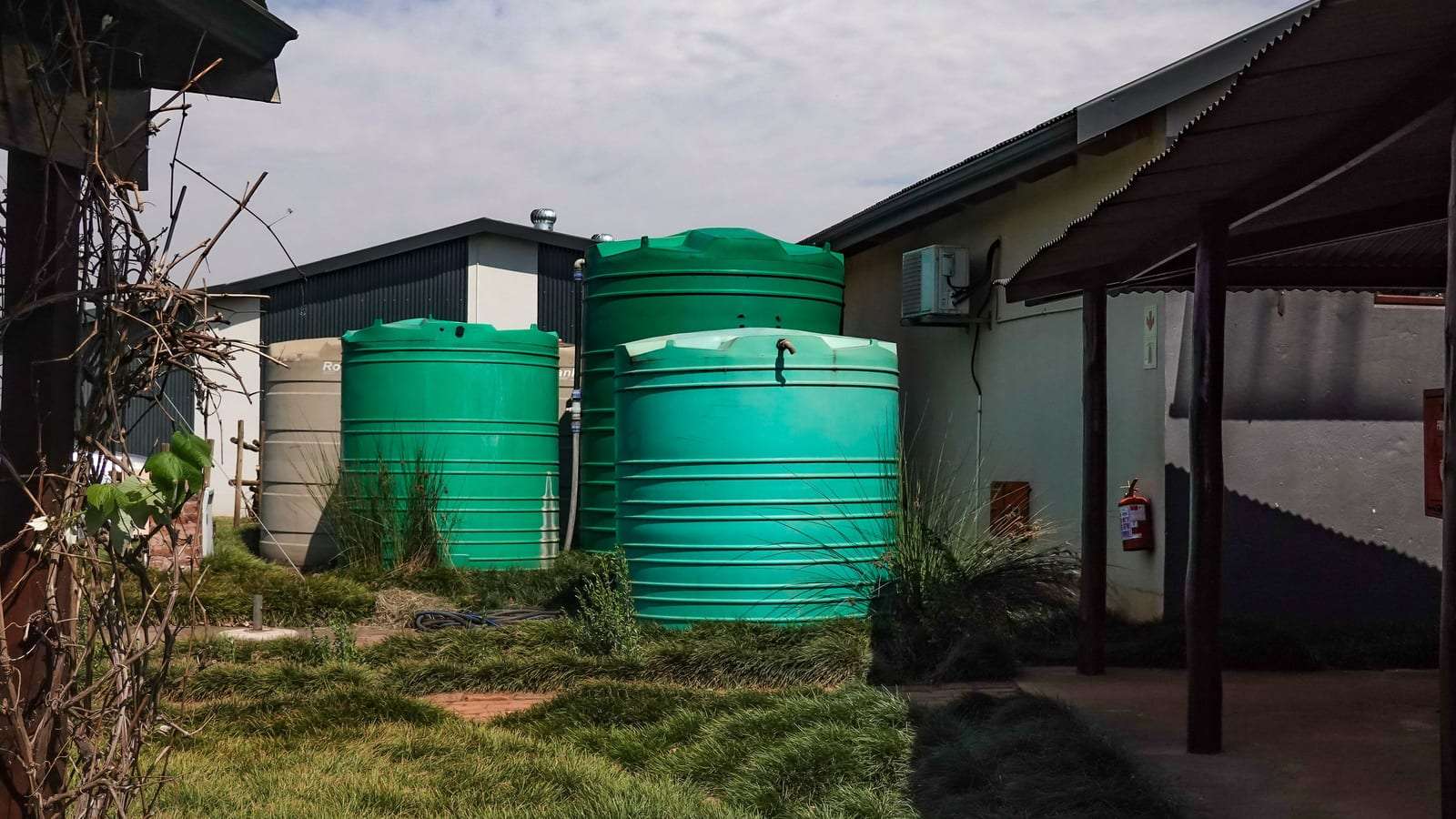

Request water tank cleaning offers
Give the tank type and rough size, and let specialist companies contact you with offers.