1. During the storm: limit what gets in
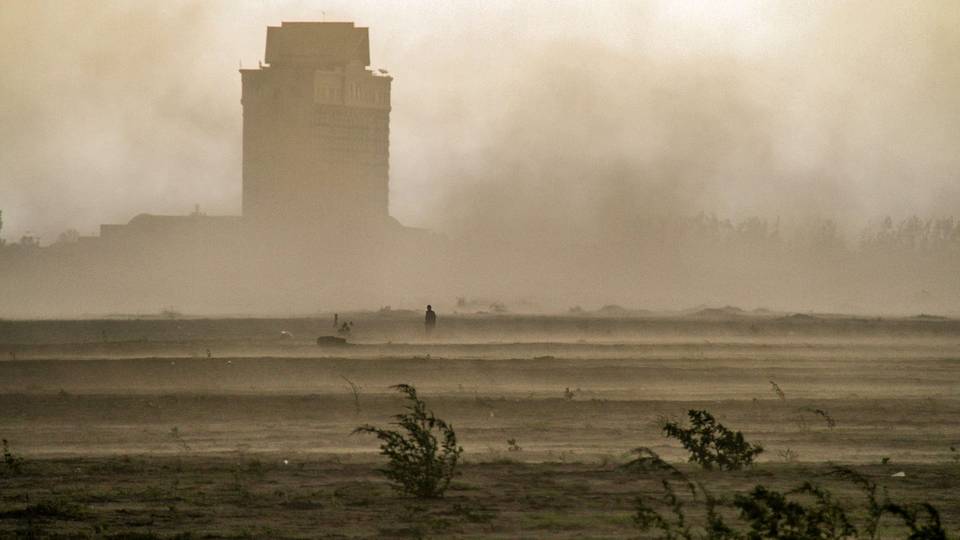
- Close windows and doors tightly, and put a cloth under exterior doors if there’s a gap.
- Cover outdoor furniture and seating in the yard if possible.
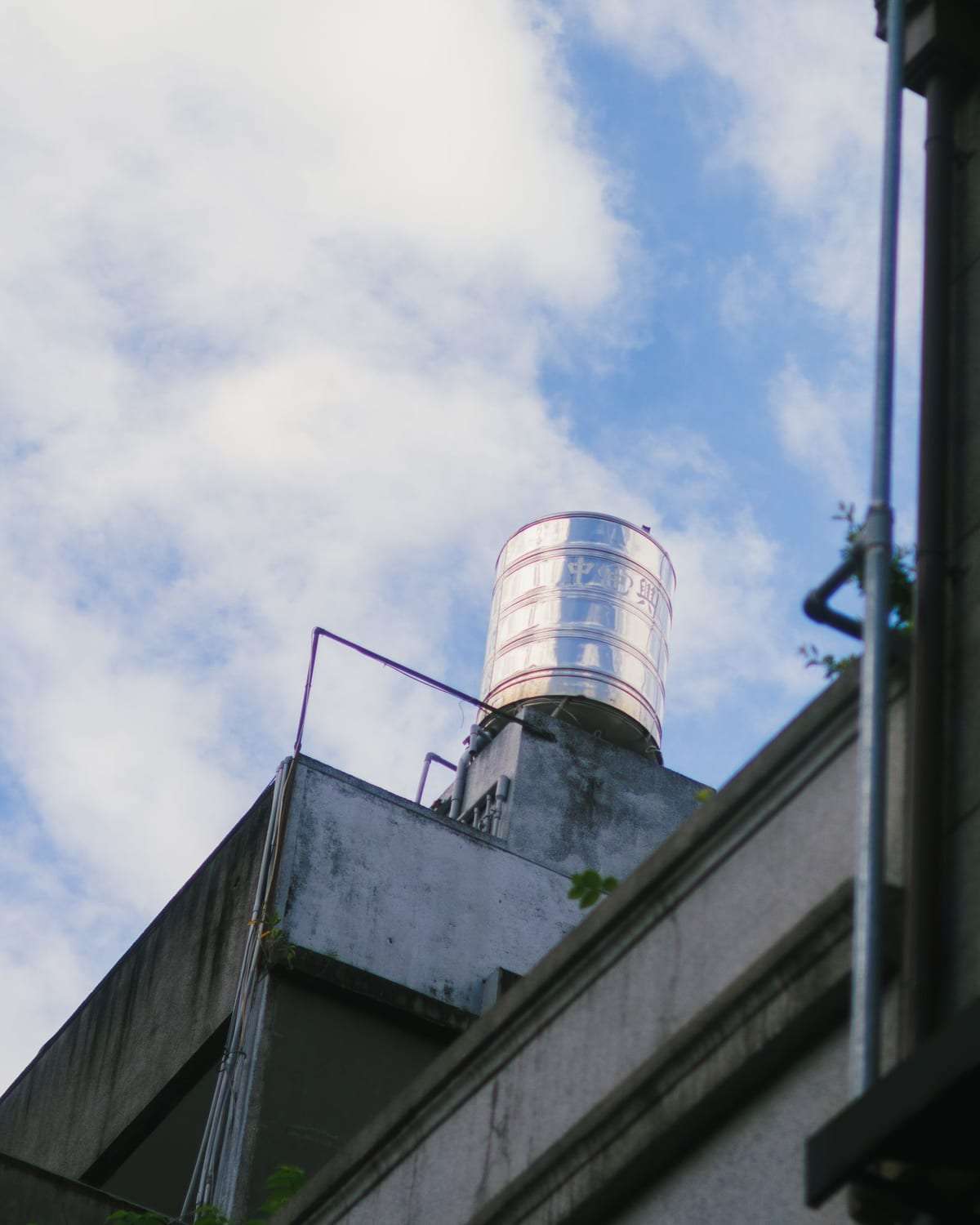
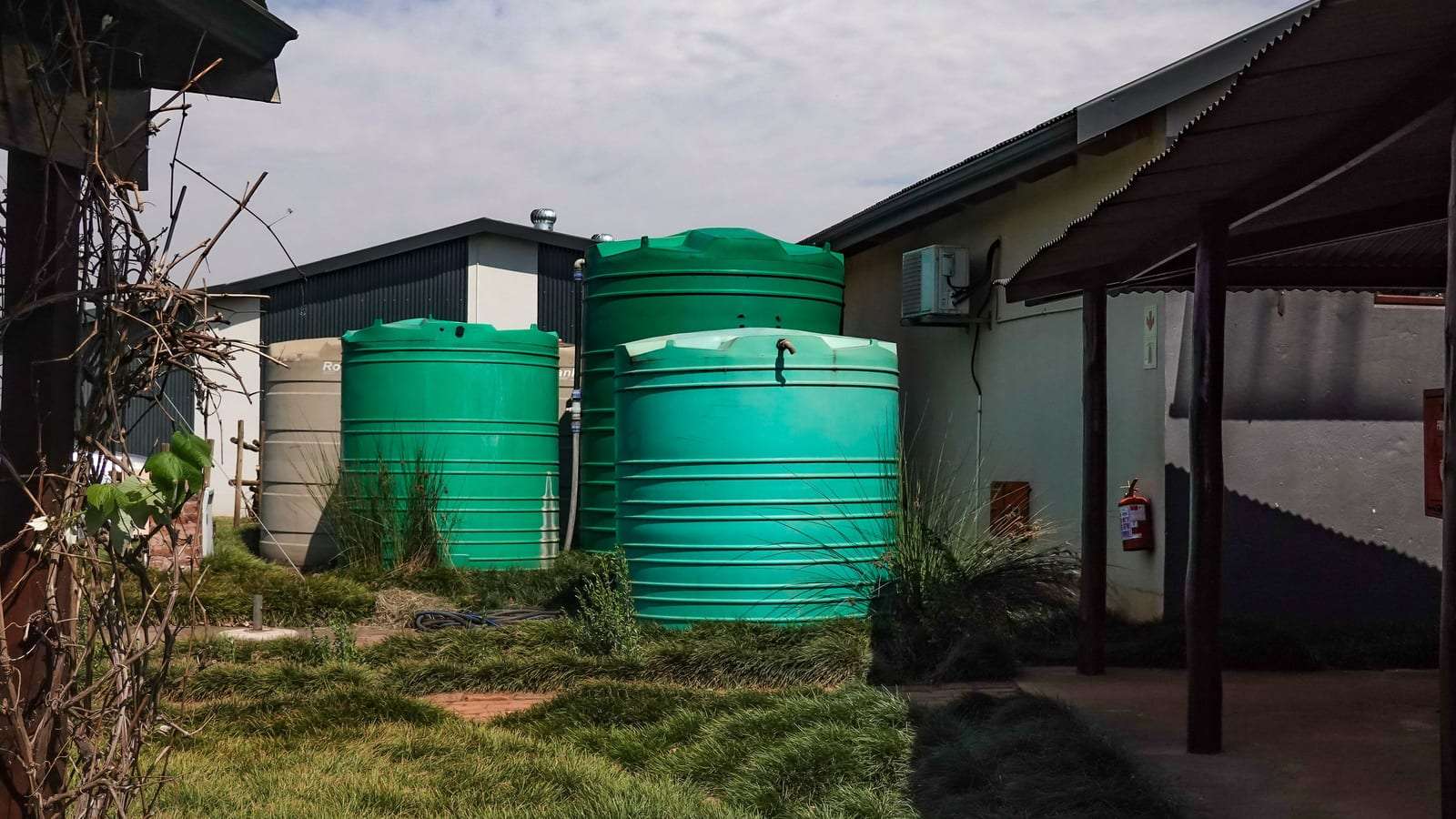
- Close the roof tank lid firmly and check it seals.
- Bring in washing and outdoor rugs.
- Avoid opening doors often until the storm settles.
If someone at home has asthma or a chest allergy, stay with them in a well-sealed room and follow their doctor’s advice on dusty days.
2. Wait for the dust to settle
Don’t start cleaning while dust is still in the air — it will settle on what you’ve cleaned. Wait until the storm has fully passed and the air is clear, then open windows a little to ventilate if the outside air is clean.
Follow the weather updates, as a second wave sometimes comes hours or a day later — don’t rush a full clean until you’re sure it’s over.
3. The golden rule: top to bottom
Always start at the top: fans, light fittings, tops of cupboards and shelves, then surfaces and furniture, and floors last. If you clean the floor first, dust from above will fall on it and you’ll have to do it again.
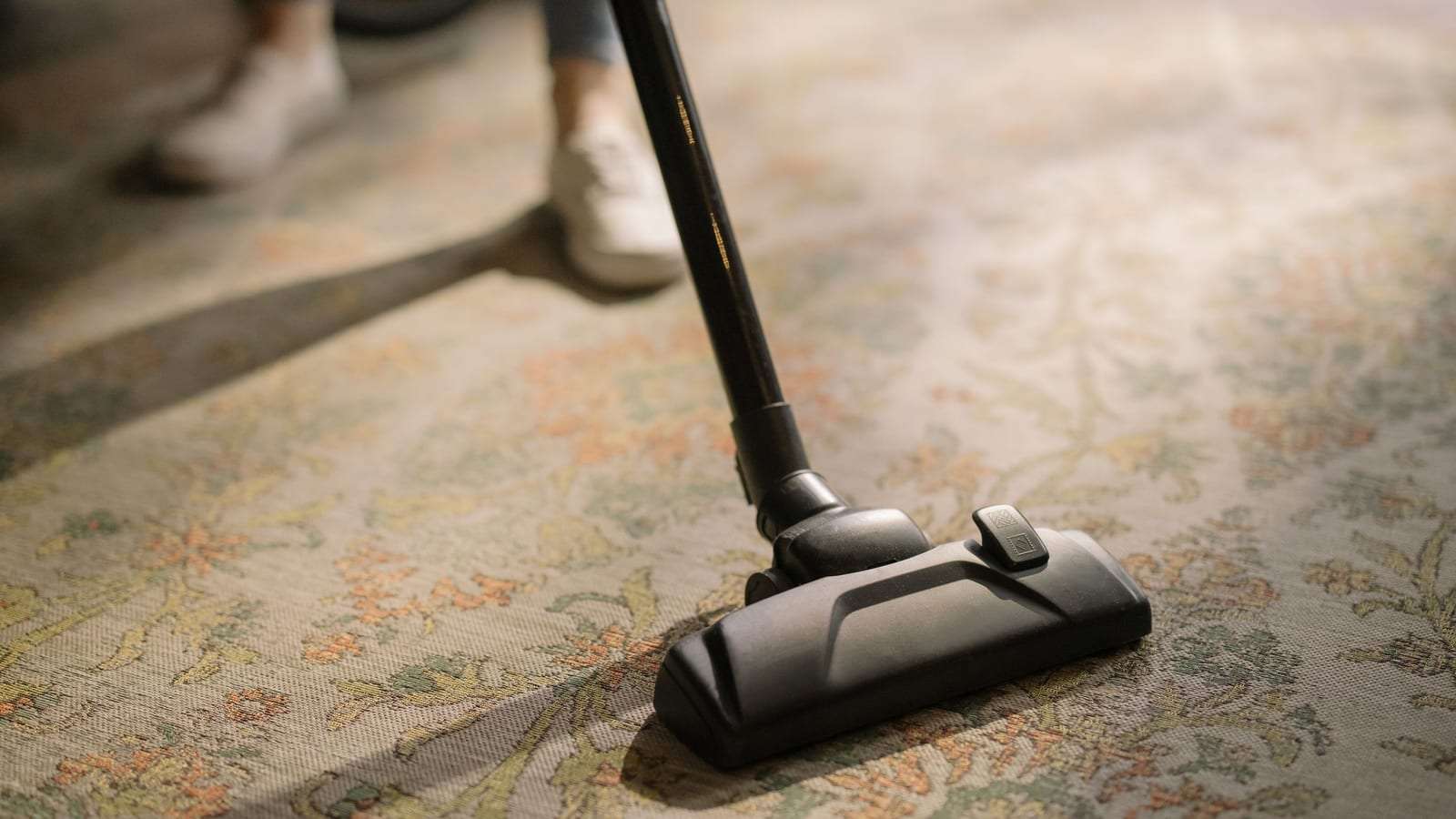
Use slightly damp cloths or microfibre rather than dry towels, since a dry cloth stirs dust into the air instead of picking it up. Use a vacuum with a good filter if you have one.
4. Windows and tracks
Window and sliding-door tracks are where dust collects most after a storm, and if left, it hardens with humidity and becomes hard to remove. Vacuum them first, then wipe with a small brush and a damp cloth.
Then clean the glass inside, and outside where it can be reached safely. Don’t try to reach glass on high floors or facades yourself — it needs a trained team with safety equipment.
5. Fabrics: sofas, carpets and curtains
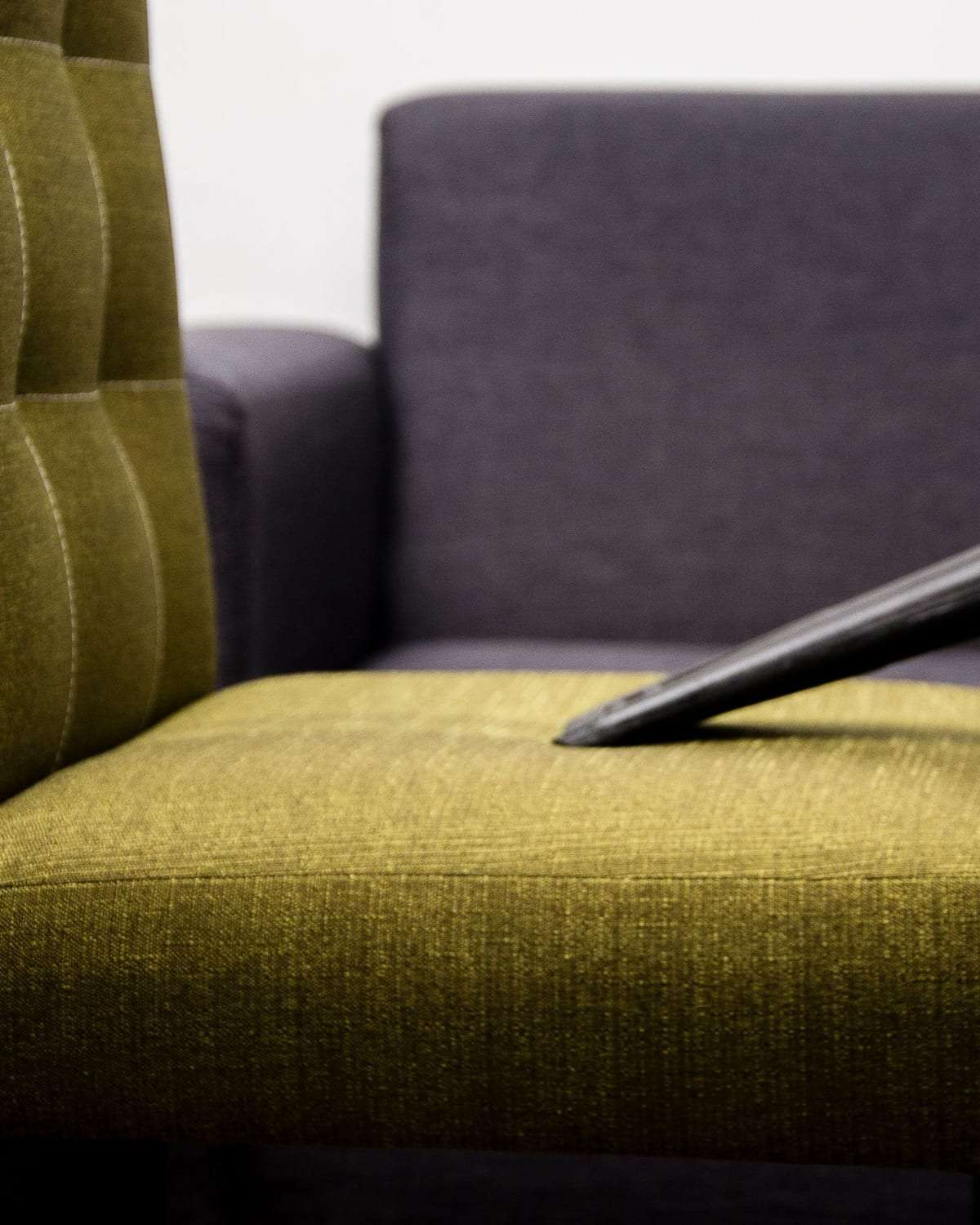
Fine dust works deep into fabrics, so vacuum sofas, floor seating and carpets slowly with the upholstery nozzle, and repeat a day or two later, as dust keeps working out of the fibres. Shake cushions and throws outside if possible.
Curtains collect a lot of dust after a storm, so wash or clean them according to the fabric. If the wave was heavy or the fabrics are light-coloured, professional washing may help. Read sofa and carpet care in a dusty climate.
6. The kitchen and exposed dishes
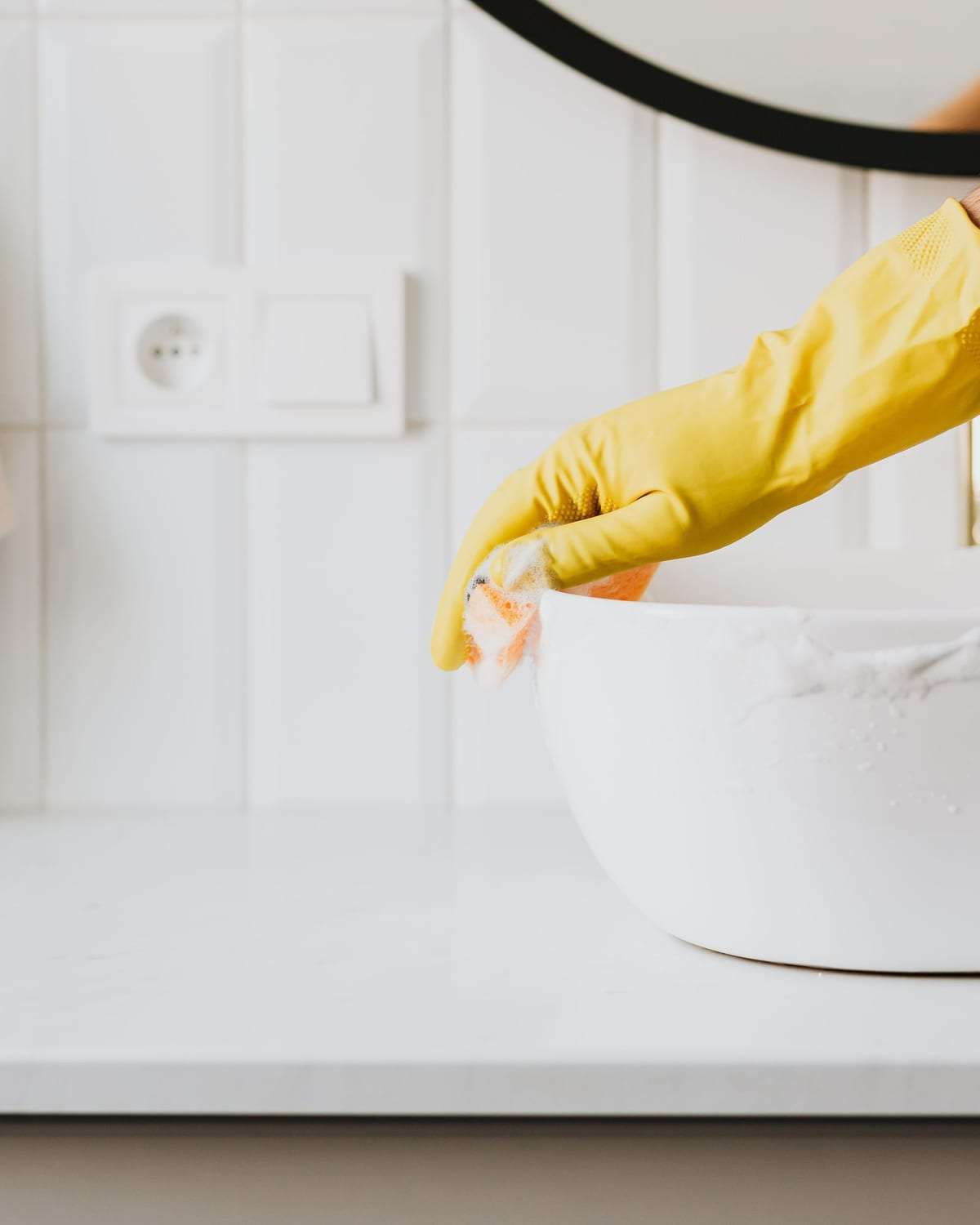
Dust settles on dishes and exposed kitchen surfaces, so wash any dishes and cups that were outside cupboards before using them, and wipe worktops, the hob and the outside of the cooker hood.
Make sure food was covered or in sealed containers, and throw away any uncovered food exposed to dust.
7. Visible AC covers and vents
After a storm AC units and vents collect a lot of dust. Wipe the visible covers, and if the filters are easy to remove and you know how, clean them following the manufacturer’s instructions.
Washing units inside and servicing them is a separate service from AC technicians, which you may need after heavy dusty seasons.
8. Yards, roofs and gutters
In villas and detached homes, dust and sand gather in yards, roofs and corners, and block gutters and drains. Sweep up the sand first, then wash floors, and clear gutters so water doesn’t pool when it rains.
On the roof, mind your safety and don’t go near edges without protection. Never climb to unsafe high places to clean them.
9. Tanks after a storm
If the roof tank lid isn’t sealed well, dust may get in during a storm. Check the lid afterwards, and if you notice a change in the water’s colour or taste, the tank may need cleaning.
Read how often to clean a water tank to see the signs that cleaning is needed.
10. Safety notes
Wear a mask when cleaning heavy dust, especially in yards and on roofs. Don’t mix cleaning products — water and a suitable cloth are enough for most dust.
Keep children and anyone with allergies away while you clean, and air the home afterwards if the outside air is clean.
11. Prepare before the dusty season
A little preparation before the season greatly reduces the dust that gets in. Check window and door frames close tightly, and replace damaged seals around them. Check the roof tank lid and repair it if it’s broken or loose.
Consider fabric covers for outdoor seating and a good door mat at every entrance. If the home will be closed during a holiday in the dusty season, close the windows and cover furniture before you travel, and book a clean before you return if needed.
For offices and shops, it helps to agree an extra visit after dust waves within the cleaning contract, so customers don’t walk into a dusty space.
12. When to book professional cleaning
- The home is large and the storm was heavy.
- Dust got into every room, fabric and cupboard.
- Yards and roofs are covered in sand.
- Someone at home has a dust allergy and can’t clean.
- Glass is high up and can’t be reached safely.
- You want sofas, carpets and the tank cleaned at the same time.
Demand for cleaning companies rises after dust waves, so book early if you can.
13. How to request offers
In the SaudiCleaning form, choose deep cleaning and add sofas and carpets, windows, the tank and balcony or roof from the extras as needed. Add your city and date, and cleaning companies will contact you with offers. See also deep cleaning.
FAQ
When should I start cleaning after a storm?
Once the storm has fully passed and the dust has settled, so it doesn’t land on what you’ve cleaned.
Why does dust come back after cleaning?
Fine dust keeps working out of fabrics and gaps. Vacuum again a day or two later.
Should I clean the AC covers myself?
You can wipe visible covers; washing units inside is a separate service from AC technicians.
Does the tank need cleaning after every storm?
Not always, but check the lid and watch for any change in the water.
Should I book early after a dust wave?
Yes if you can, as demand for cleaning companies rises afterwards.
This guide is general information and contains no recipes or quantities for mixing cleaning products. Never mix cleaning products, read each product’s label, and ventilate. If fumes are inhaled or a product gets in the eyes or is swallowed, seek medical help immediately.