1. How often should a tank be cleaned?
There’s no single interval for every home — it depends on the water source, the tank’s condition, how well its lids seal and how dusty the area is. But regular cleaning and inspection help every tank, at least as often as the relevant authorities recommend.
Tank cleaning also makes sense at specific times: before moving into a new or rented home, after a home has been closed for months, after heavy dust waves, and after maintenance or building work near the tank.
2. Signs a tank needs cleaning
- Water changes colour or looks cloudy when you open the tap.
- An unusual smell or taste in the water.
- Sediment or grit in basins or tap filters.
- Shower heads and taps clogging repeatedly.
- A broken or loose tank lid, or dust marks around it.
- A long time since you can remember the last cleaning.
If you notice a clear change in the water, don’t rely on cleaning alone — consult a water-quality professional and avoid drinking the water until you’re sure.
3. Ground tanks and roof tanks: the difference
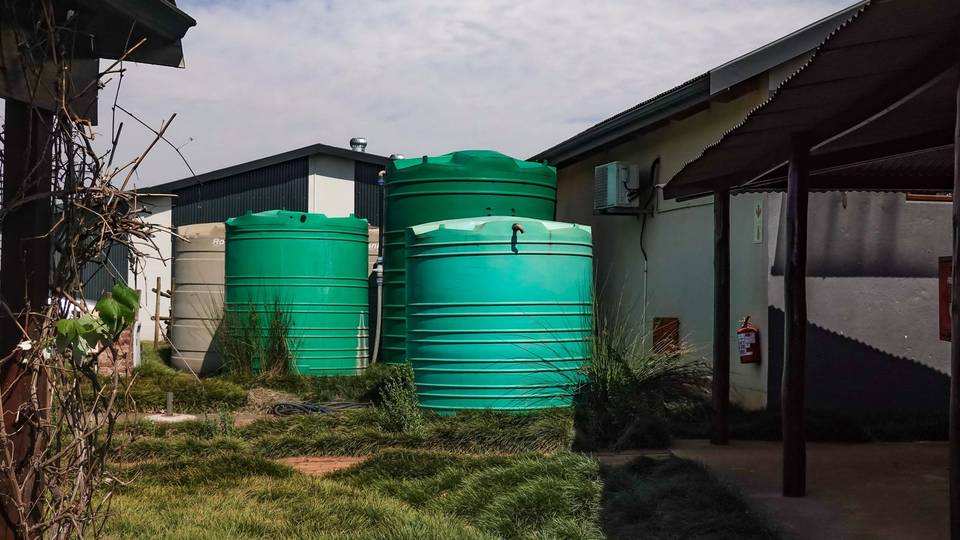
Ground tanks are usually larger, under the yard or beside the house, and receive water from the mains or a tanker. Cleaning one requires safe entry and good ventilation because it’s an enclosed space, so no one should go in without the right equipment and experience.
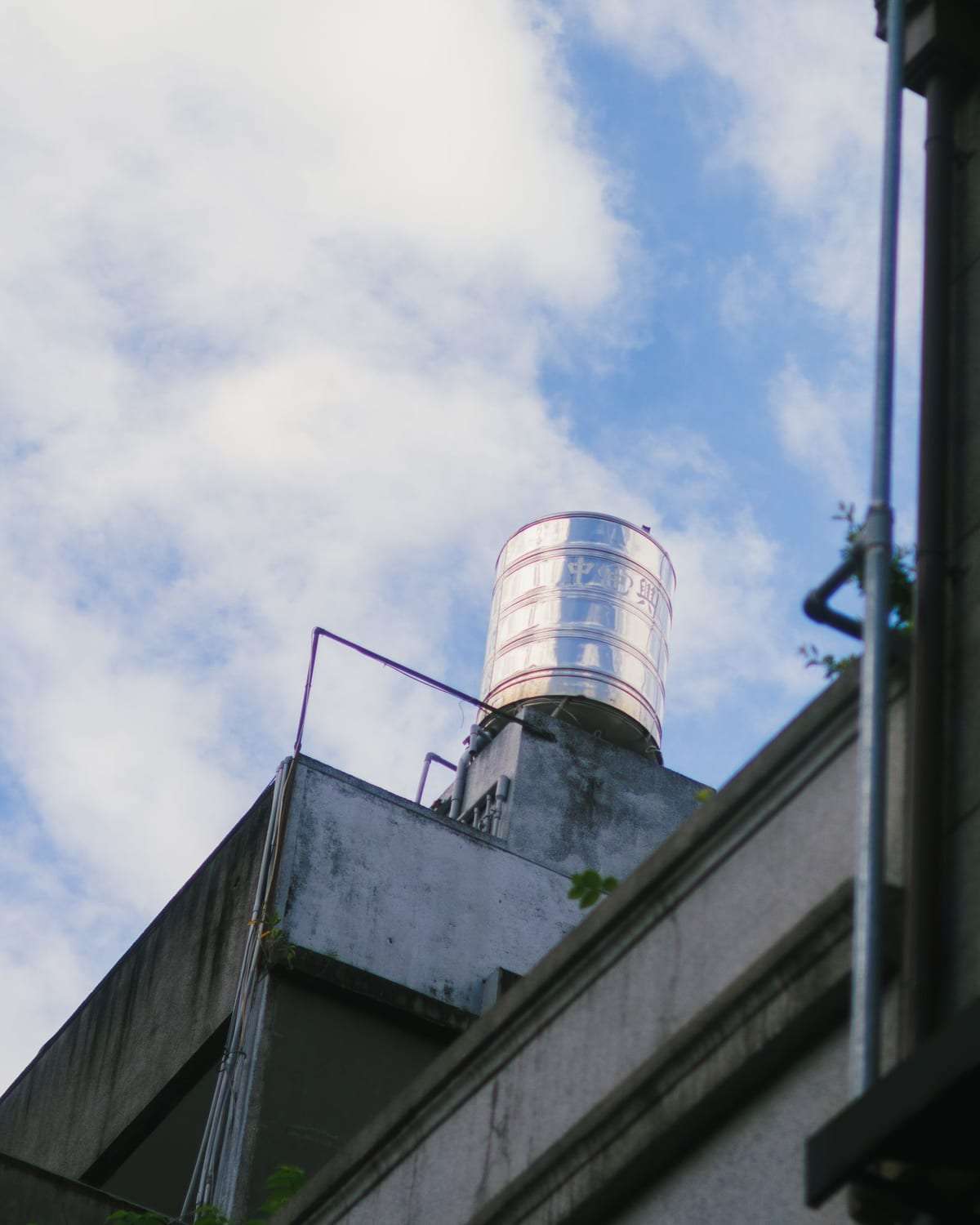
Roof tanks are smaller and exposed to sun, intense heat and dust. They may be plastic, fibreglass or concrete. Many homes clean both in the same visit, since cleaning one without the other leaves part of the problem.
4. What usually happens during cleaning
- Inspection
The company inspects the tank, lid and openings, and assesses its size and condition before starting.
- Draining
The water is drained appropriately, and how to deal with the remaining water is agreed in advance.
- Removing sediment
Sediment and silt are removed from the floor and walls with suitable tools.
- Washing and disinfection
The walls are washed and disinfected with products suited to drinking-water tanks, chosen by the specialist.
- Rinsing
The tank is rinsed thoroughly so no product residue remains.
- Closing and refilling
The tank is sealed and refilled, and the lid is checked.
Ask the company to explain its steps in detail, which products it uses, and whether they are suitable for drinking-water tanks.
5. Tank sealing: when do you need it?
Sealing is a coating applied to the inside walls of a tank to stop leaks and protect the concrete. It’s usually needed when cracks or leaks appear, or the tank is old. Not every tank needs it — cleaning may be enough if the tank is sound.
If your tank does need sealing, ask the company which material it uses, make sure it’s suitable for drinking water, and how long the tank must wait before refilling. You can mention sealing in the form when you choose tank cleaning.
6. Safety during the work
A ground tank is an enclosed space, and working inside needs ventilation, someone outside keeping watch, and proper equipment. Don’t try to clean a ground tank yourself, and don’t ask anyone to go in without the right preparation.
Never mix cleaning products, and don’t use ordinary household cleaners inside a drinking-water tank. This work needs suitable products chosen by the specialist, followed by thorough rinsing.
7. What to prepare before the visit
- Store some water for use during the work, since the supply will be off for a few hours.
- Know where the ground and roof tanks are and how to reach them.
- Make sure the tank opening can be opened and roof access is safe.
- Tell the company the tank size if you know it, or send a photo of the opening.
- In an apartment building, coordinate with the landlord or residents beforehand.
8. Shared tanks in apartment buildings
In apartment buildings the tank is usually shared between flats, and cleaning it is the landlord’s or building management’s responsibility. If you notice a change in the water, tell the landlord and suggest cleaning the shared tank — cleaning your flat alone won’t change the water quality.
The landlord can request tank cleaning through SaudiCleaning by choosing “building” as the property type and giving the number and size of tanks.
9. What affects the cost?
Cost depends on the tank’s size and type, whether it’s a ground or roof tank, its condition and the amount of sediment, how hard it is to reach, and whether sealing is needed. That’s why the company asks about these details before making an offer. We don’t list prices on the site, as they vary by company and city.
10. Before moving in or after a home has been closed
When you move into a new or rented home, you don’t know when the tank was last cleaned or what state it’s in. So cleaning it before the family starts using the water helps, especially if the home has been empty for a long time, since still water in a tank can change colour or smell in the heat.
The same applies to homes closed most of the year, such as summer homes or family homes in villages, where the family returns in the holidays to water that has sat for months. You can book tank cleaning a few days before you arrive and agree access with the company, so the water is ready when you get there — and add a whole-home clean in the same visit by choosing move-in cleaning in the form.
11. How to request offers
In the SaudiCleaning form, choose water tank cleaning, then select ground or roof tank, its approximate size, and whether you need sealing. Add your city, district and a suitable date, and cleaning companies will contact you with offers.
If you want the whole home cleaned with the tank, choose deep cleaning and add the tank from the extras. See also water tank cleaning.
FAQ
Can I clean the tank myself?
We don’t recommend it, especially a ground tank — it’s an enclosed space needing ventilation, equipment and experience.
How long does tank cleaning take?
It depends on size and condition, usually a few hours. Ask the company for an estimate.
Is the water cut off during cleaning?
Yes, so store some water before the visit for daily use.
Does every tank need sealing?
No — sealing is usually needed for cracks, leaks or old tanks.
Do you name the disinfection products?
No — the specialist company chooses products suited to drinking-water tanks. Ask them before the visit.
This guide is general information and contains no recipes or quantities for mixing cleaning products. Never mix cleaning products, read each product’s label, and ventilate. If fumes are inhaled or a product gets in the eyes or is swallowed, seek medical help immediately.